Rare Resiliency
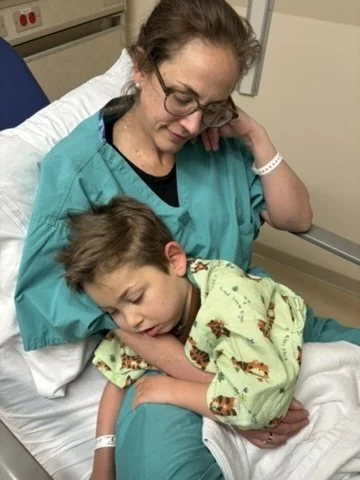
A heartfelt mother’s account on five years of navigating pediatric specialist waiting rooms with her medically complex child.
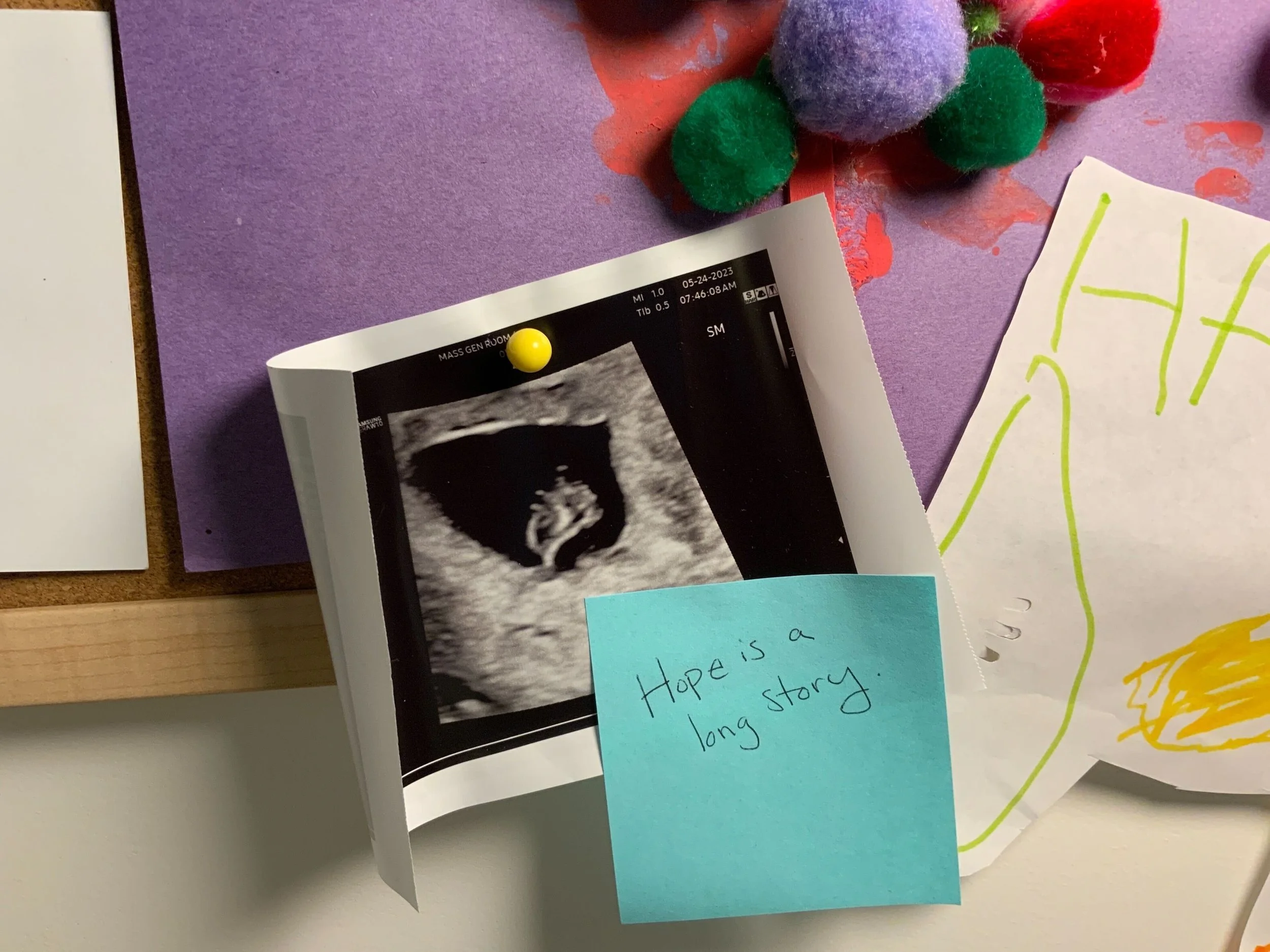
As a pivotal diagnostic date approaches, a Rare Mom reflects on the complicated emotions associated with pregnancy.
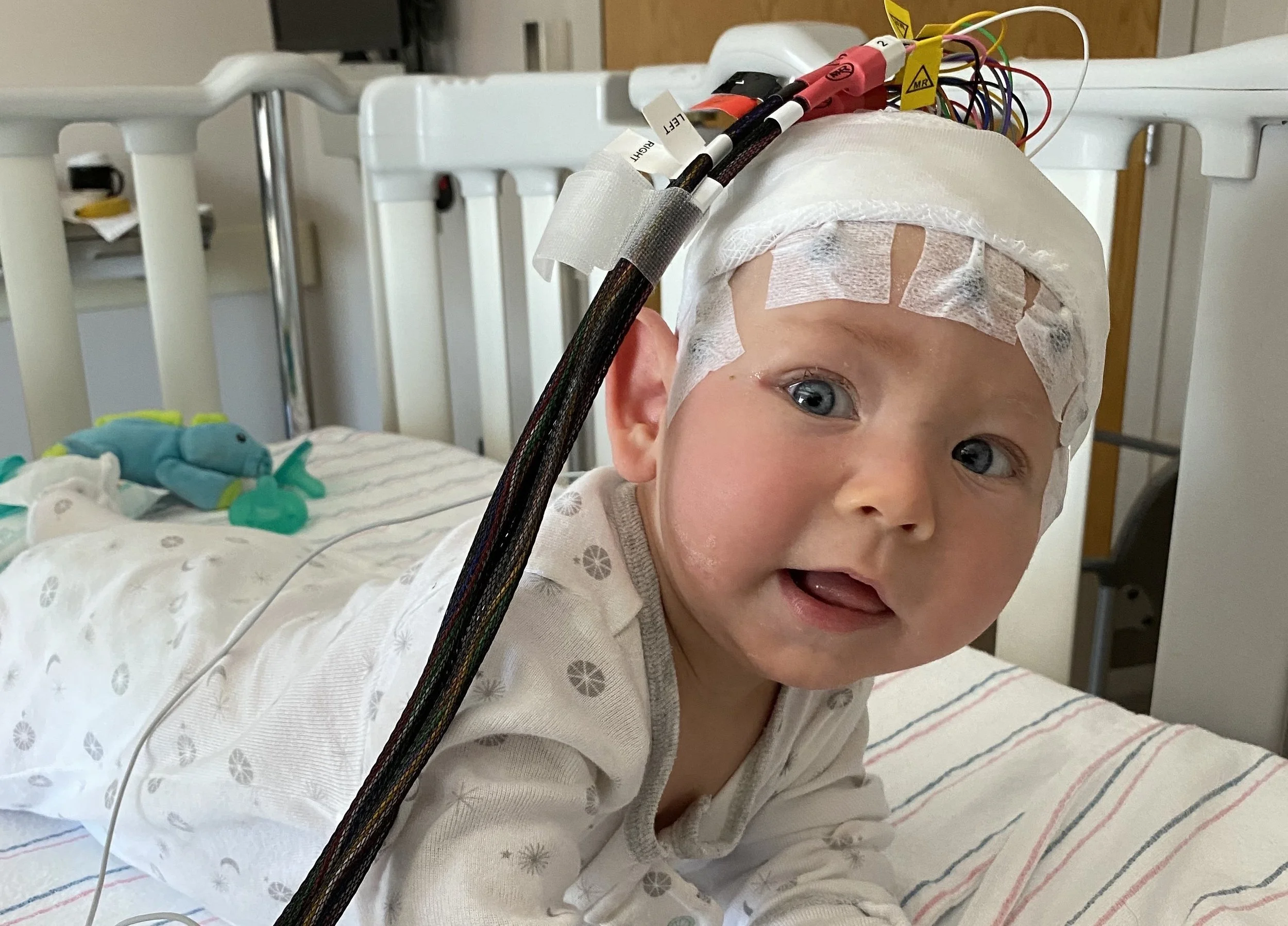
One Rare Mom gets the unvarnished truth on the challenges families face when living with this complicated condition.

A mother to a child with a rare condition discusses palliative care programs and how they’ve impacted her family.
For those of us caring for people with rare diseases, the words we use to describe them have the power to frame their experiences. Learn how Laura uses her language to empower her child and her role as a caregiver.
Louisa Stringer, a certified caregiving consultant, shares the benefits of journaling for caregivers facing the uncertainties of rare disease.

In this journal entry, Laura Will shares her emotional experience in returning to the MRI suite where, in 2020, her family’s life ‘would never be the same.’

In wishing our rare community a happy Rare Disease Day, discover the empowerment and uniqueness that lies behind the word ‘rare,’ leading Laura Will to readily call herself a ‘rare mom.’
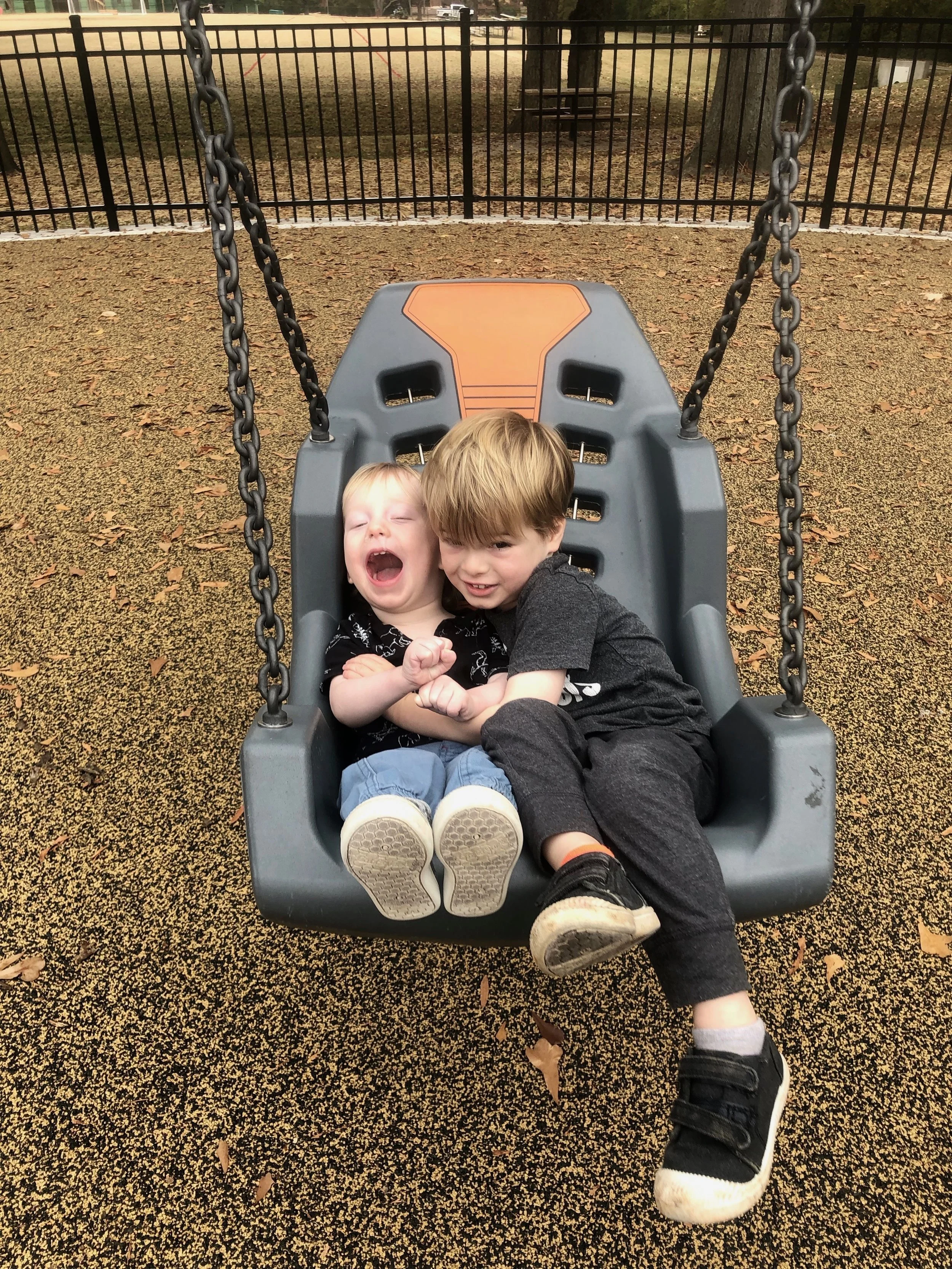
Here’s a rare mom’s reflection on the innocent curiosity of her well child and the questions about disability that she must learn to answer.
I can recall the sunny, white-walled classroom, on the upper west side of New York City, where I first heard the medical term, “Failure to thrive.” I was a student, working towards a Master’s Degree in Nursing, reviewing diagnostic criteria of various gastrointestinal conditions…
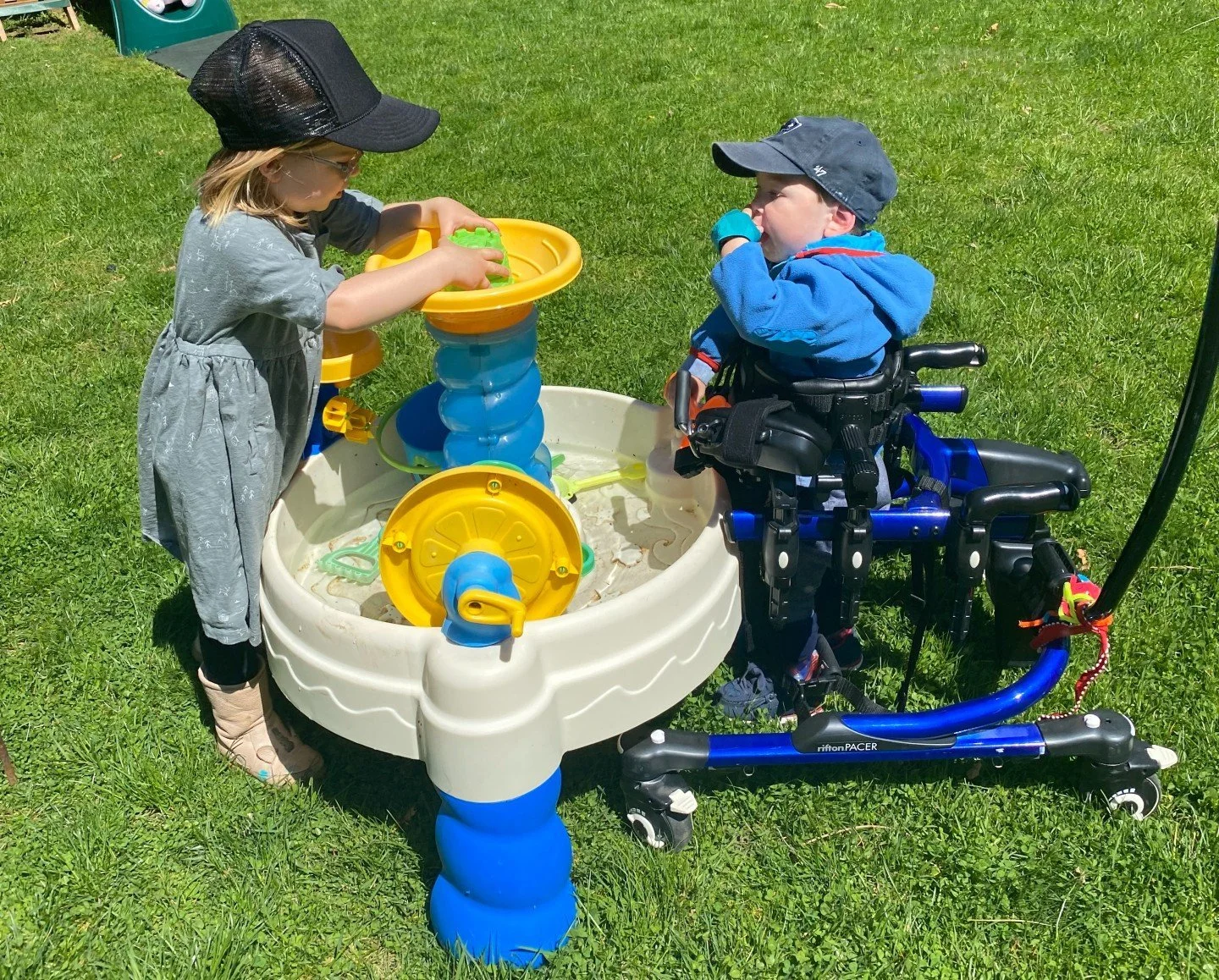
Read a personal perspective of a mother raising both well and medically-complex young children. Learn about the impact a medically-complex sibling can have on the family dynamic, and access resources that may support the well child in exploring their emotions.

Research shows that rates of depression and anxiety are elevated among parents and caregivers of children with complex care needs. This is no mystery. I see many contributing factors: grief, chronic stress, poor sleep, caregiving burden, potential loss of work to care for the child, financial stress, social isolation, and spousal relationship problems. Which of these factors rings true for you?
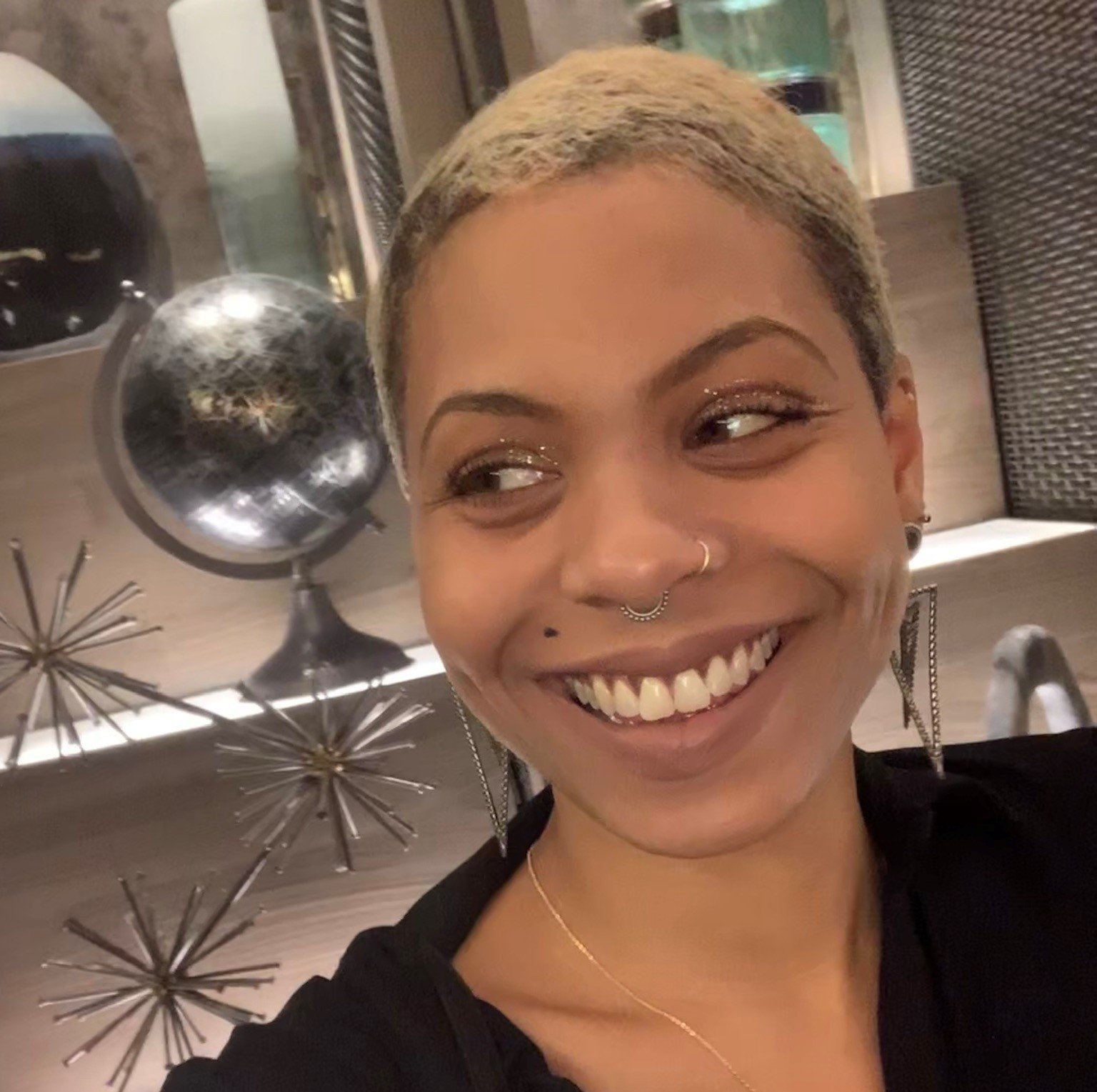
As a community advocate for the Rare Advocacy Movement, Uni Neha has a passion for guiding others in their rare disease journey. We sat down with Uni to talk about her resiliency routine and to hear her advice to others who are looking for new resources to support their well-being.
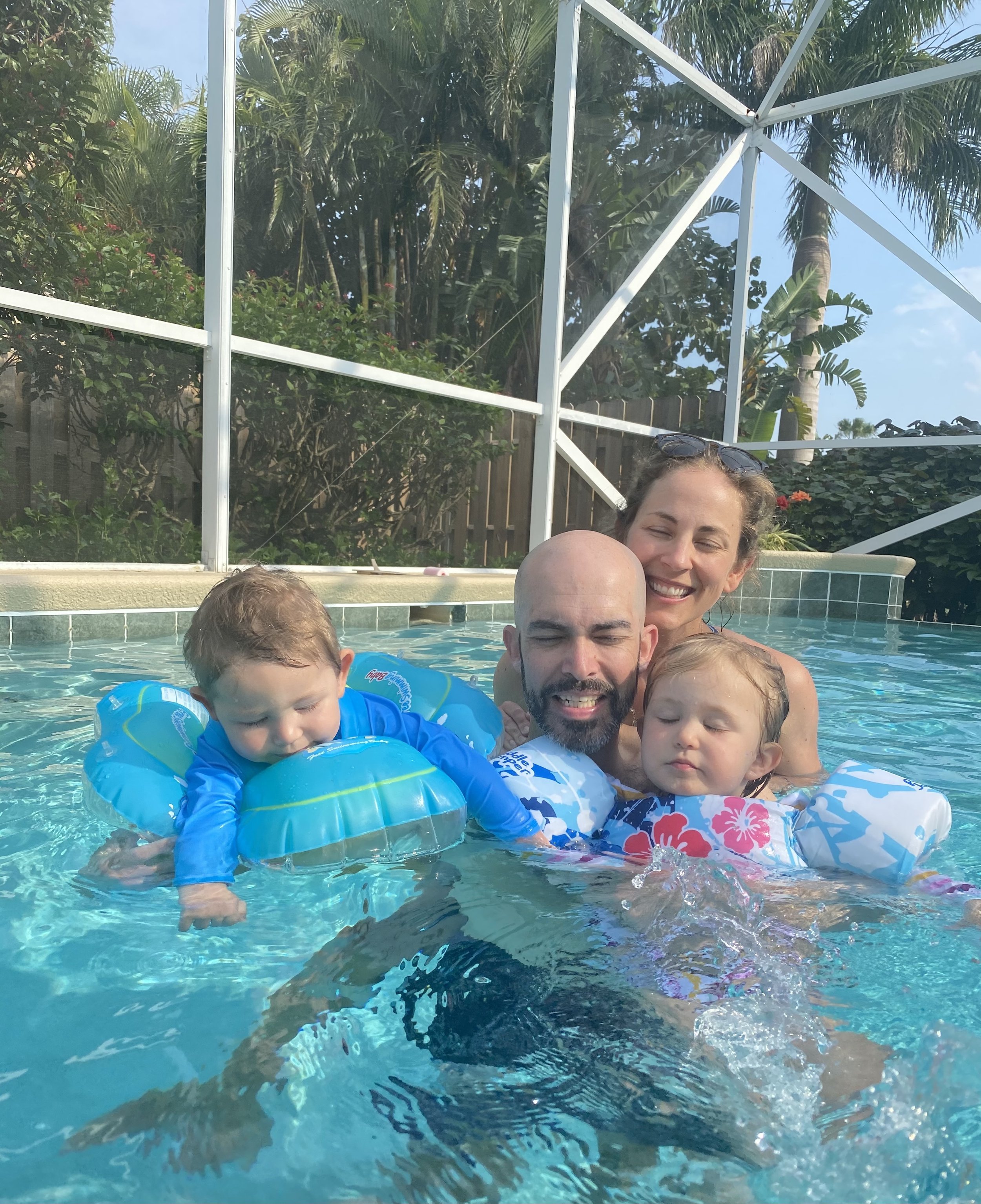
Discover how humor can be an incredible tool for protecting, connecting, and emboldening caregivers in many of their dark and difficult moments.

In our family, the love is infinite and the joy is absolute. In many ways we are like any other family; however, as we navigate this decision to have another biological child, the math is painfully different. I feel overwhelmed by uncertainty, the possibility of genetic errors, and the fragility of life.

Caring for a chronically ill child can be emotionally perilous. As a rare parent, Laura knows that sorrow naturally slips into moments of joy. By practicing and sharing gratitude, Laura gains control and eases those moments of fear and grief. Discover the power of gratitude and learn how the act of giving thanks transformed the way Laura experiences her husband, her children, and her day-to-day life.

After her infant son was diagnosed with a rare brain malformation, Laura had an identity crisis. She was no longer just-a-mom, but also a family caregiver. Although this newly acquired title may be emotional and exhausting at times, Laura discovered in herself unforeseen skills and a remarkable strength. She delves into the description of the four states of a caregiver’s identity and creates a beautiful metaphor for this extraordinary role.
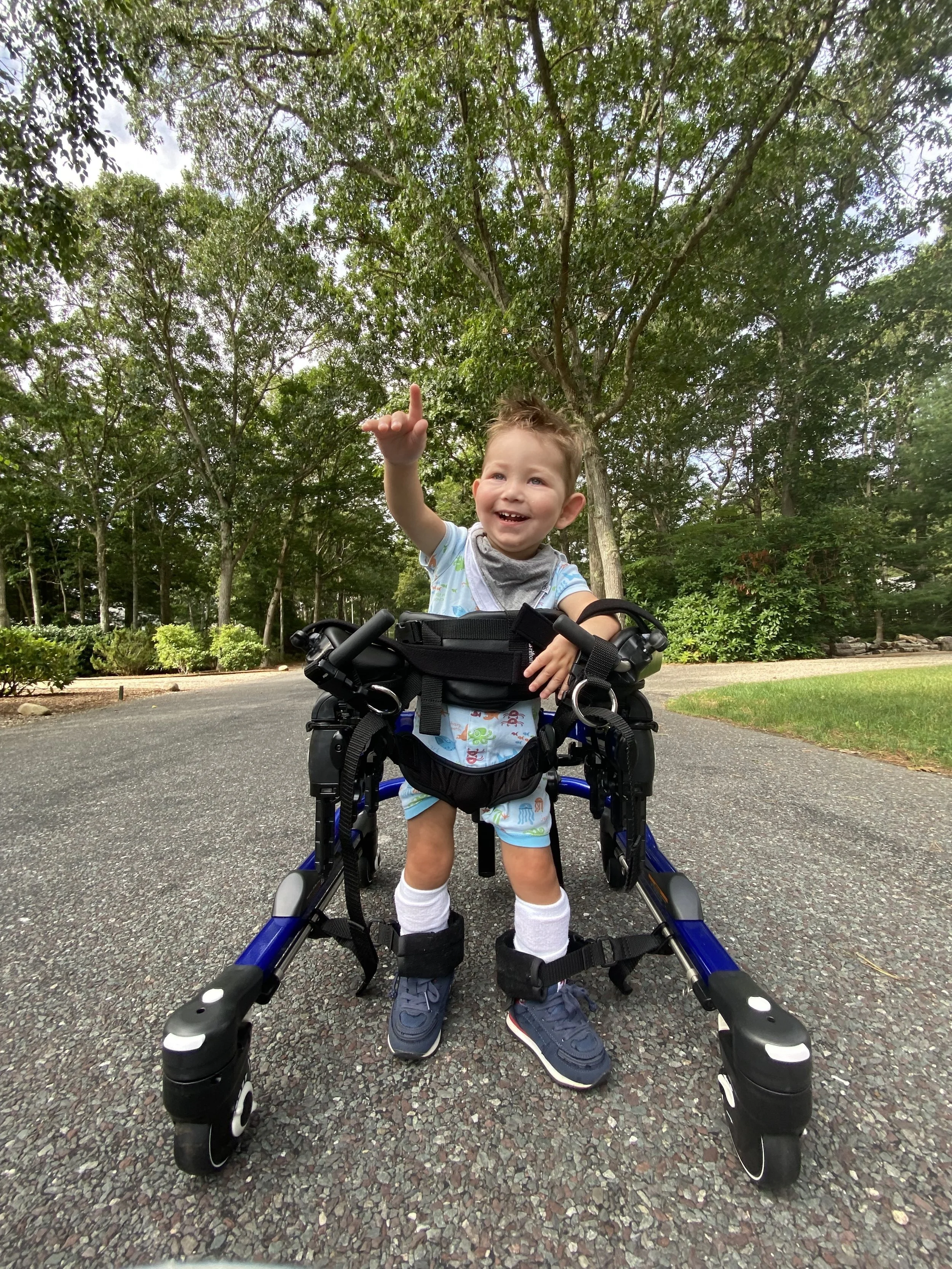
While I can not trust the future health of my child, I have found things I can trust: his doctors, his one-to-one aid, my partner, the coffee maker, laughter, and my desire to care for my son. Naming the things we trust can offer some sense of control. With that trust, the fear is held at bay; and, if we pay attention, hopeful little moments start unfolding before us.

Rare Resiliency is a monthly column written and/or curated by Laura Will. This column explores the concepts and skills that play a protective role against chronic and acute stress. Each article challenges and encourages the reader to continue to develop that inner steadying strength as they face illness and uncertainty, sorrow and joy.
As we welcome 2022, Laura Will chooses self-compassion as her New Year’s resolution. She delves into the description of the three key elements to self-compassion, revealing its many benefits. Instead of using self-critical thoughts to guide another transient resolution, Laura invites us to honor our imperfect and emotional selves, to practice self-kindness, and to channel some caring energy inwards.