Rare Tips

Discover how patient education empowers individuals with rare diseases to better understand their diagnosis, make informed decisions, and actively participate in their treatment plans. Learn why clear, compassionate communication is key to improving outcomes in rare disease care.

If you are coming across high copays and struggling to afford your treatment plan, here are a few options that may help you reduce the costs of your medications.

When you live with a rare disease, the joyful experiences risks can bring are all the more valuable.

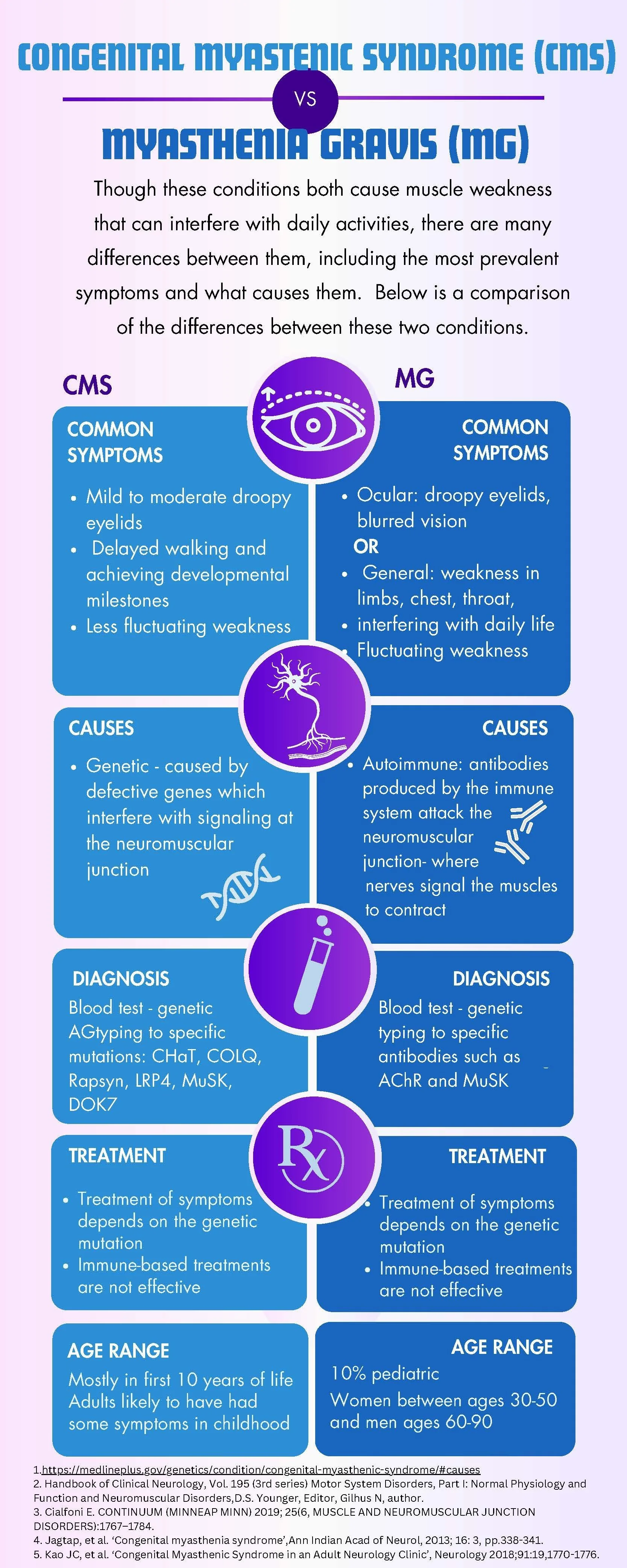
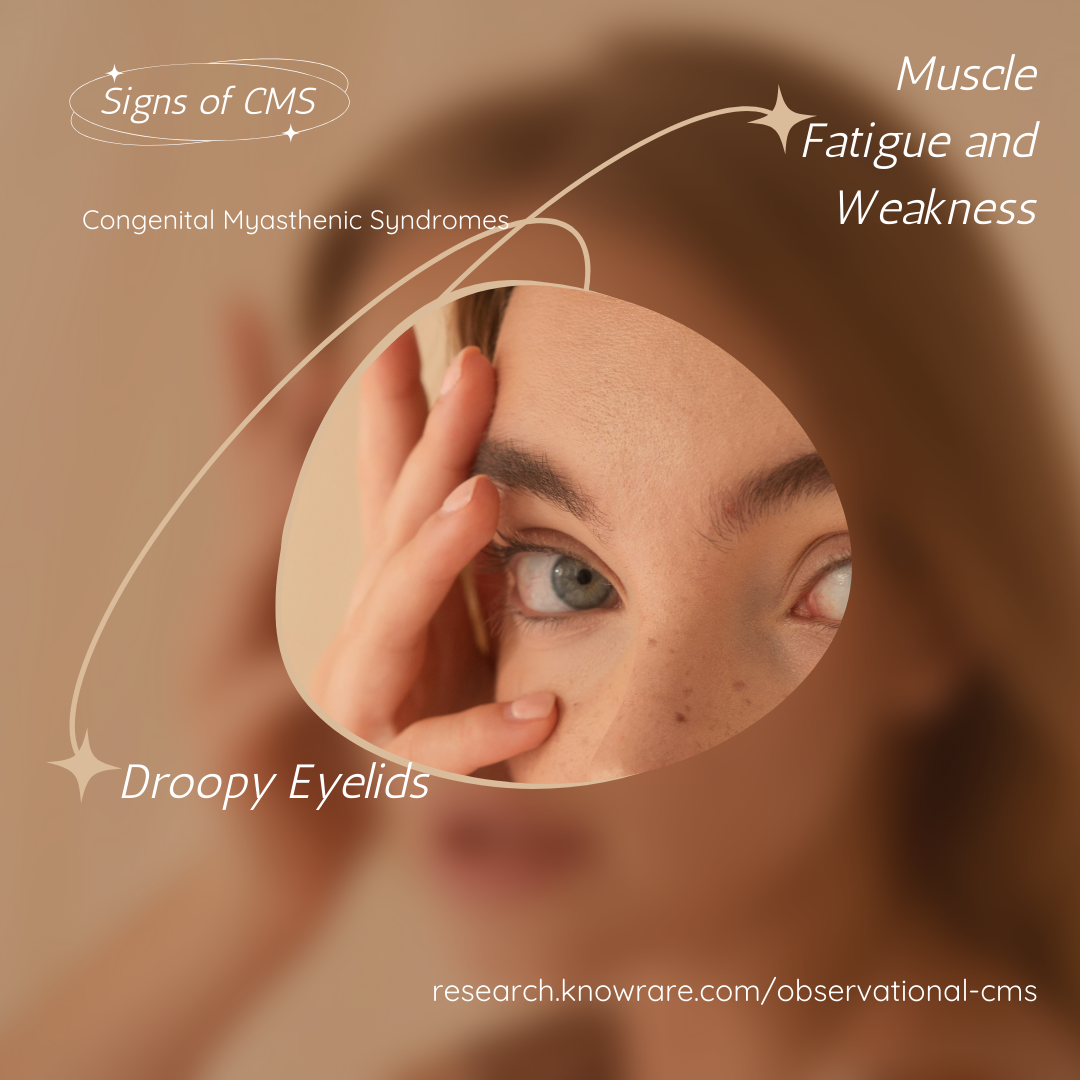
Get essential information about congenital myasthenic syndromes (CMS) and why clinical trials are a crucial element in the path towards better treatment for the condition.

Get the basics on needle anxiety, one of the top medical fears among children, and discover tips to manage it.

On World Oral Health Day (March 20), we’re taking a closer look at what your oral health can tell you about your well-being.

As we step into Rare Disease Month this February, it's an opportune time to celebrate resilience, foster connection, and empower ourselves within the rare disease community.

An expert on adolescent health shares tips for families navigating substance use concerns alongside rare disease.

It’s National Influenza Vaccination Week: find out why the flu vaccine should be a critical part of your winter to-do list.

Special diets can be a challenging but necessary part of rare disease treatment. Here, a leading dietician offers advice for supporting nutrition from birth through adulthood.

Tips from Know Rare on what to do and what to say to be a supportive ally to a friend, family member, or other loved one who has been diagnosed with a rare disease.

Read about the ways doctors diagnose Autoimmune Hemolytic Anemia (AIHA) and some common symptoms.

We spoke with several teenagers and their parents about how they cope with different aspects of living with rare disease. Here are their best tips and advice.

Many patients managing rare diseases and conditions will be familiar with fatigue. Though it might seem like a common annoyance, fatigue is a debilitating symptom that can sap physical energy and reduce mental clarity and alertness.

This article lists some of the ways that doctors treat Autoimmune Hemolytic Anemia, as well as some of the potential side effects.

MG is a chronic condition with symptoms that come and go. It can be severe, but it’s also a treatable condition. Here are 10 key insights for MG patients and their support networks.

At Know Rare, we believe sharing our questions, experiences, and collective wisdom can help us all in navigating an uncertain course with our rare disease. For medical questions, it is always important to consult your doctor or specialists; however, sometimes it can help to have information to share with them. This is the first of a series of questions we received and the research we’ve found on the topic.

Symptoms of myasthenia gravis (MG) often fluctuate. There may be times when you have only minor symptoms or no symptoms at all.

The holiday season is just around the corner, and for many, this time brings joy and connection; however, if you are navigating the diagnosis of a rare disease, the holidays can be stressful and challenging. Here are our five ways to protect your emotional health during the busy holiday season.

If you have been diagnosed with pemphigus vulgaris, here are some lifestyle management tips you can do that can help.
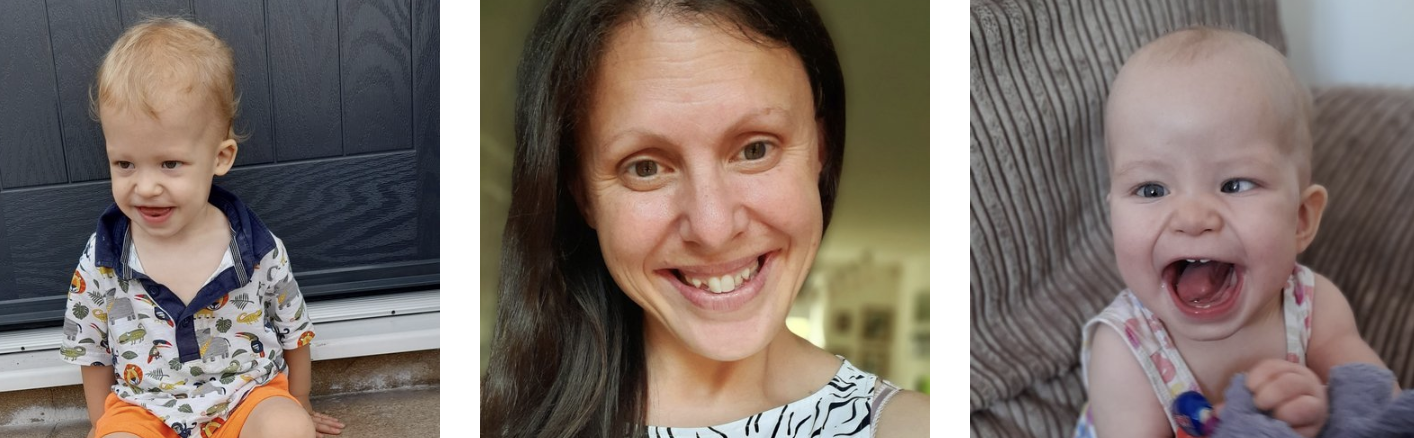
When what you see up ahead feels way too enormous and scary to manage by yourself, it can leave you feeling lonely and vulnerable. There can be a lot of trial and error involved before you finally find the one who finally hears you and tells you those words you long to hear…

If you’re like Lynn Nezin, you’re ready to battle for your child, especially if they have to suddenly go to the hospital for something either related or not related to their rare disease. Lynn’s son, Casey, was born with Glycogen Storage Disease Type 1A, also known as Von Gierke’s Disease. Here is what Lynn has learned…

Caring for a loved one with a rare disease can be emotionally and physically exhausting. And that’s certainly true for rare cancer caregivers. Read five pieces of advice from the leaders of TargetCancer Foundation, Jim Palma and Kristen Palma Poth.

Receiving a cancer diagnosis is one of the most difficult experiences anyone can face. But for rare cancer patients, there’s an additional layer of unknowns, because most doctors may not have much experience with their specific disease. Kristen Palma Poth and Jim Palma, president and executive director of TargetCancer Foundation, share their best advice for newly diagnosed rare cancer patients.
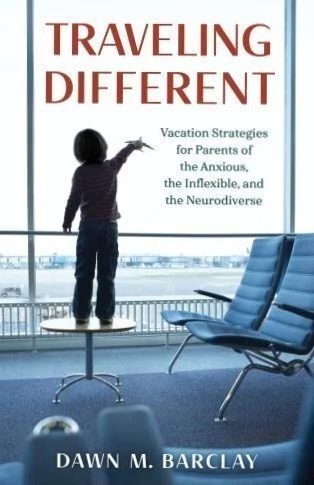
How should parents of children experiencing meltdowns deal with clueless and judgmental onlookers? What are the best methods to alleviate motion sickness when your child might already be on a cocktail of drugs? Traveling Different answers these and many other questions parents may have when traveling with their children.
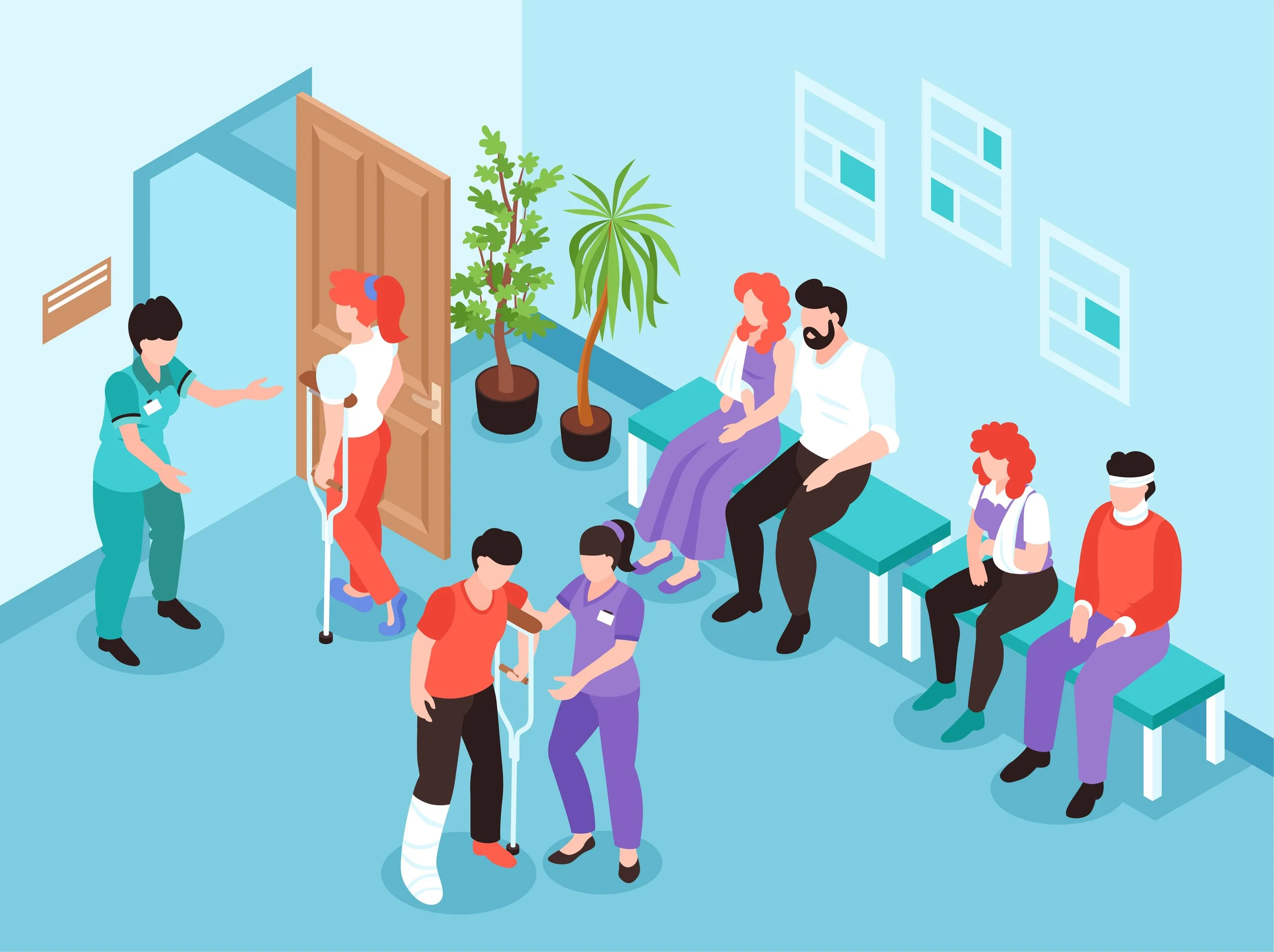
Here are 4 tips to set up your smartphone so you’re prepared for a sudden trip to the ER.

The immune system of the skin is sensitive to the environment. Sunlight and air temperature normally affect the skin, but, if you have Bullous Pemphigoid (BP), which is an autoimmune disease, getting sun or too much heat can lead to blistering.

Bullous pemphigoid (BP) is a rare skin condition that causes large, fluid-filled blisters. In reviewing evidence of food-related triggers, find out which foods may trigger BP.