Real Stories

A powerful personal journey through Koolen-de Vries syndrome, ADHD, and neurodivergent parenting. Discover how one mother turned diagnosis into empowerment, embracing difference, healing guilt, and raising resilient, remarkable children in a world that doesn’t always understand.
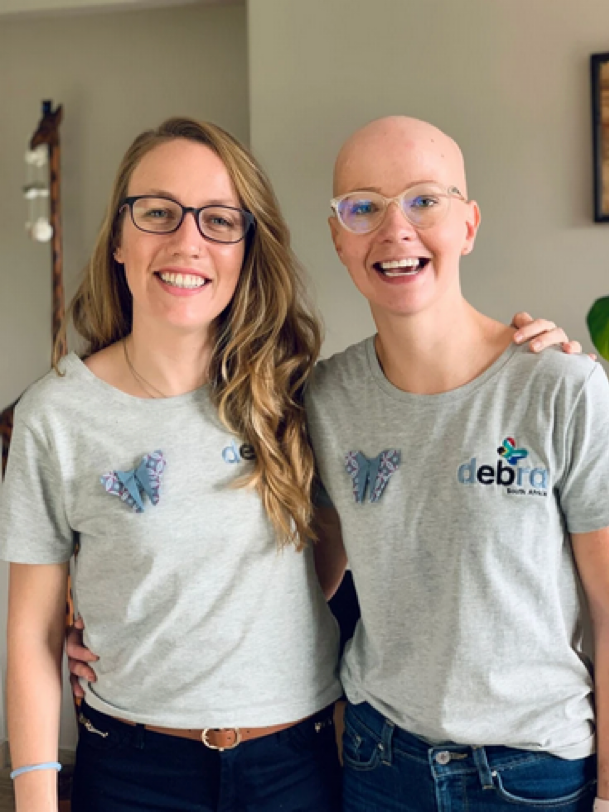
Toni Roberts lives with Epidermolysis Bullosa, a rare genetic disorder that causes the skin to be extremely fragile and prone to blistering and tearing. Toni’s condition profoundly impacted her older sister, Cady Ward. Witnessing Toni’s daily struggles and challenges, Cady was inspired to become an advocate for rare disease and take on an extraordinary challenge—run an ultra-marathon.

After his diagnosis of limb-girdle muscular dystrophy type 2B at age 21, Chris initially opted for a safe career path, choosing jobs with steady income, benefits, and predictability. However, this decision made him feel like something was missing. Find out how Chris was finally able to follow his heart, finding purpose and contentment in becoming a writer.
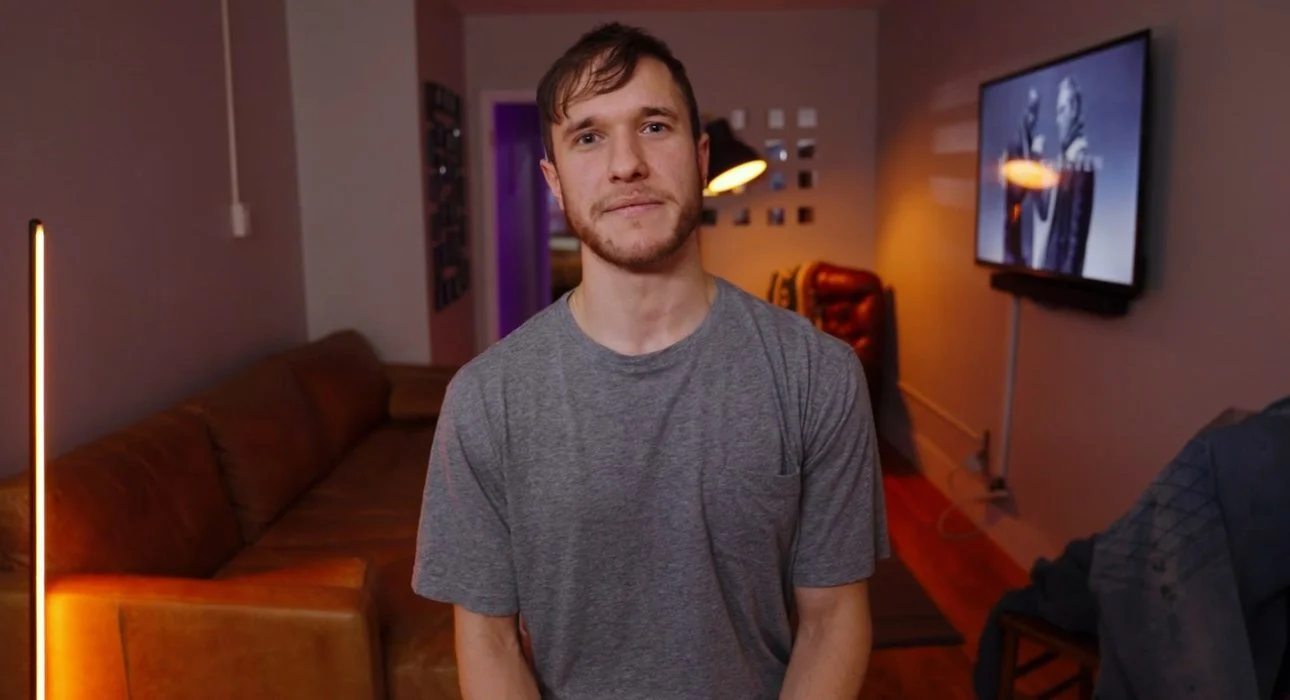
Learn about the incredible story of Edward Gent, a Sports Nutritionist diagnosed with MMN, who decided to create an app to help others worldwide with their disease and symptom management.
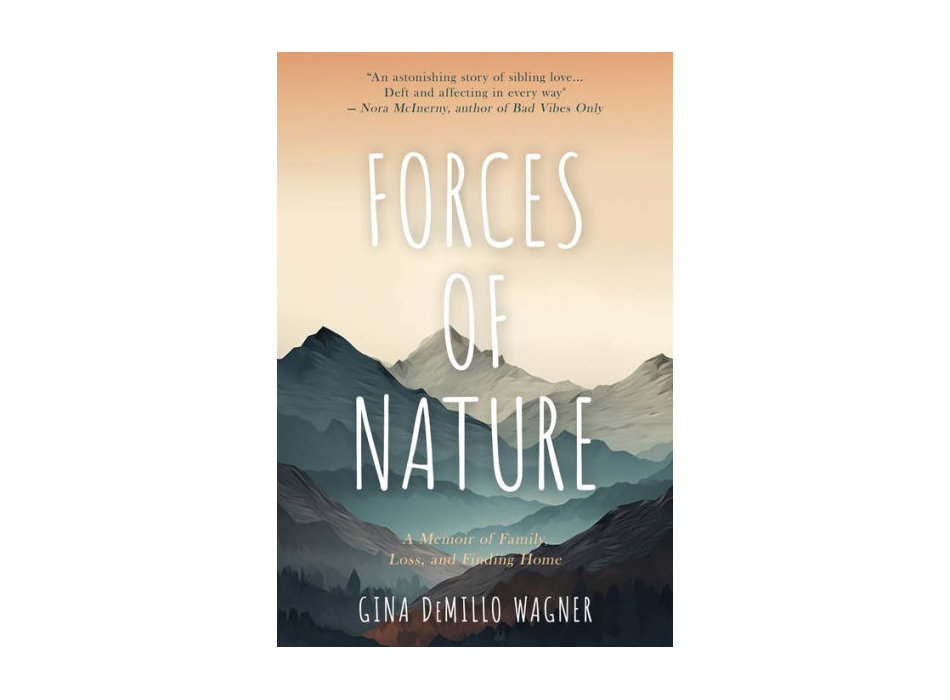
Know Rare writer Gina DeMillo Wagner’s new memoir, Forces of Nature explores powerful themes related to caregiving and rare disease.
Journalist Lindsay Guentzel offers an inside look at life with the rare muscular condition.
Many people living with rare disease describe life in terms of before and after: Before a diagnosis, they experience frustration, confusion, and exhaustion as they see various doctors and try to make sense of their symptoms. After a diagnosis, they may experience waves of relief mixed with a determination to find treatments – and often, grief about the impacts of the disease on their lives. No one understands how it feels to step across that invisible before-and-after line better than Julia Lefelar, Executive Director and Co-founder of the MOG Project.
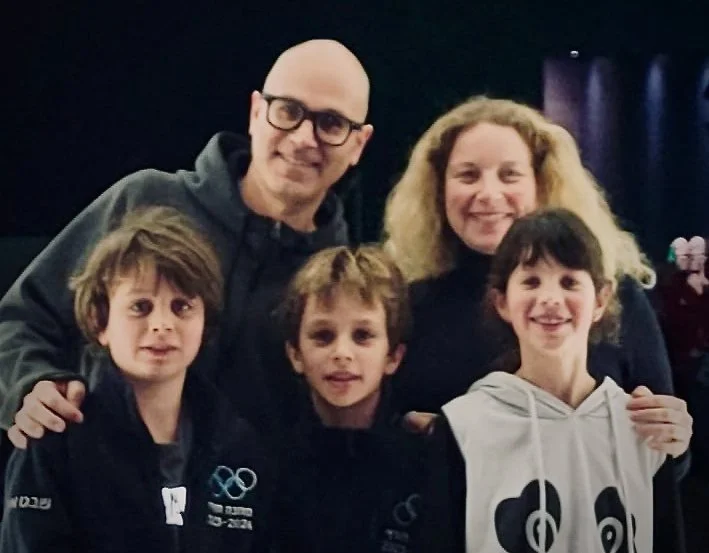
Orit recently joined the Know Rare business development team with the goal of helping other caregivers and patients learn more about how to engage with clinical studies and other opportunities for support. Here’s how she is reframing attitudes towards life with a rare condition.
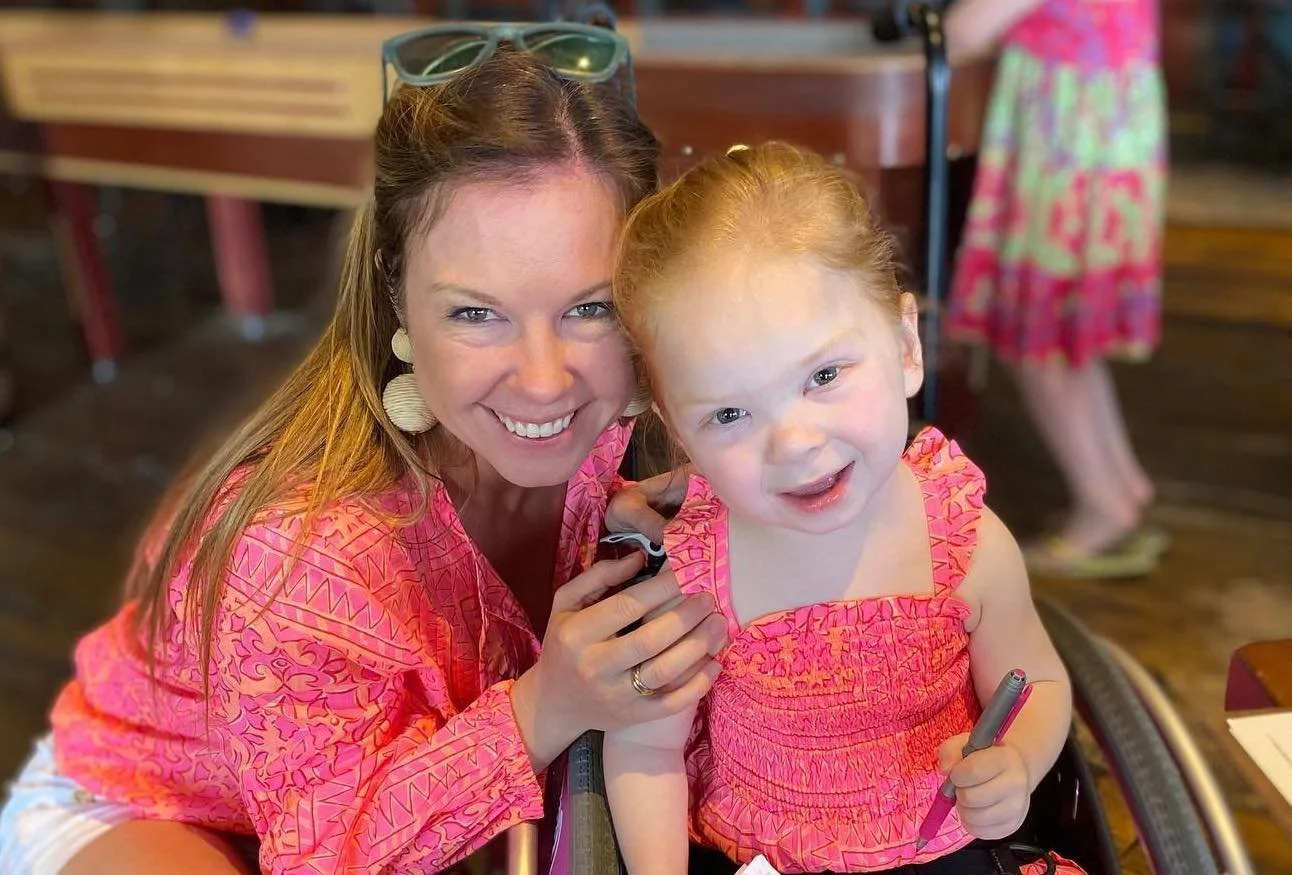
Caitlin Eppes shares the inspiring story of The Avery Project, an initiative named after her daughter and dedicated to research of her rare genetic variant, and discusses how her family defied one-in-a-million odds to find a breakthrough in their diagnostic journey.
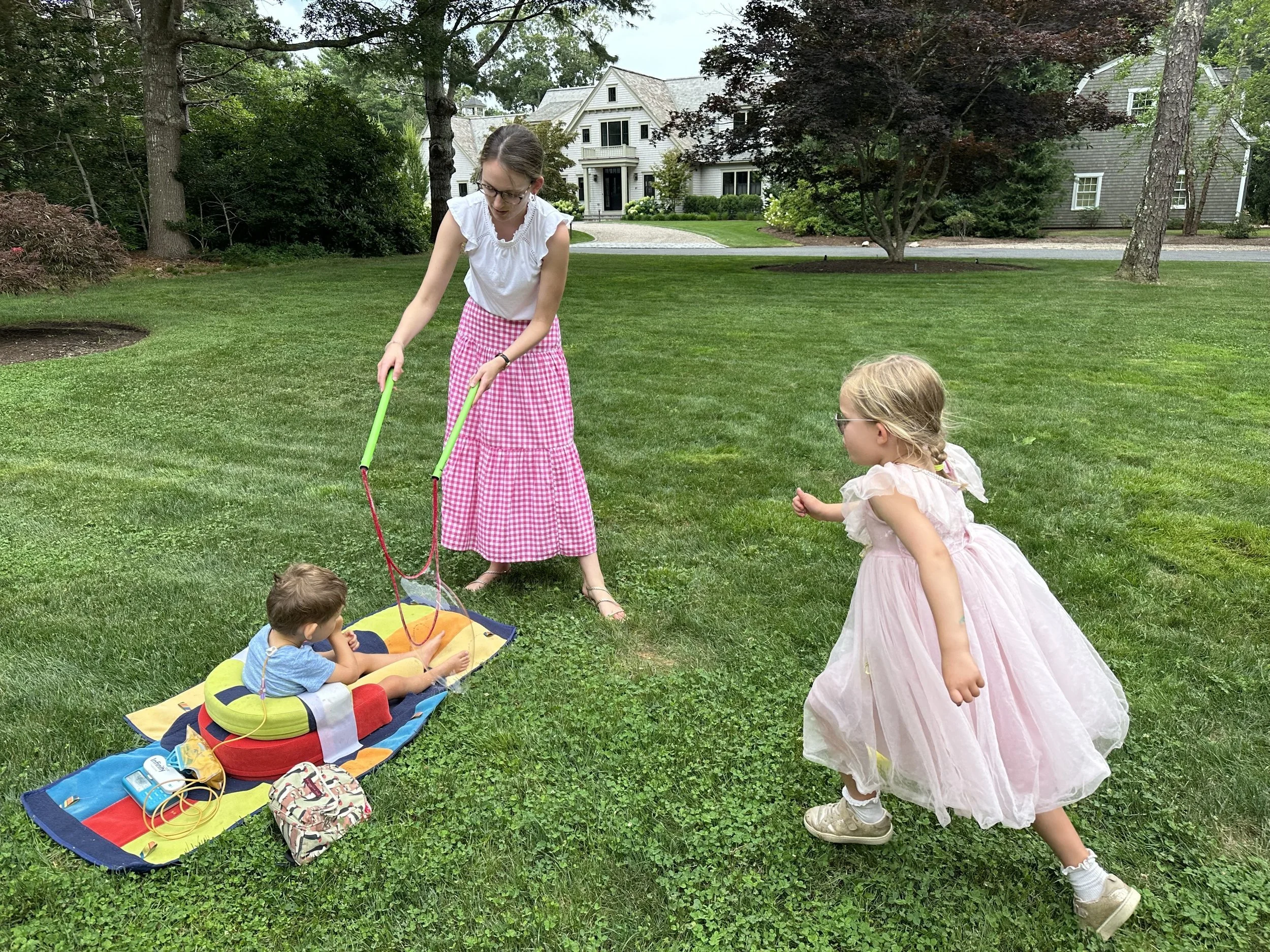
Learn what Certified Child Life Specialists do and why they can be a major asset to families navigating rare disease journeys in this story by Katie Whelan, a Certified Child Life Specialist & Family Engagement Coordinator.

Storytelling is a powerful way to process adversity and make a difference in someone else's life.
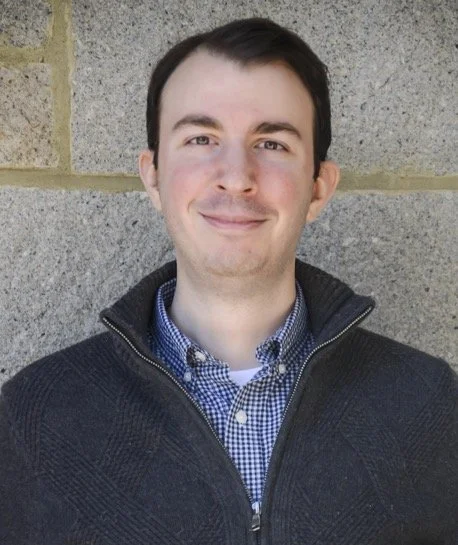
Know Rare is thrilled to be partnering with Chris Anselmo, author of “Hello, Adversity,” as he becomes a regular contributor to our platform.
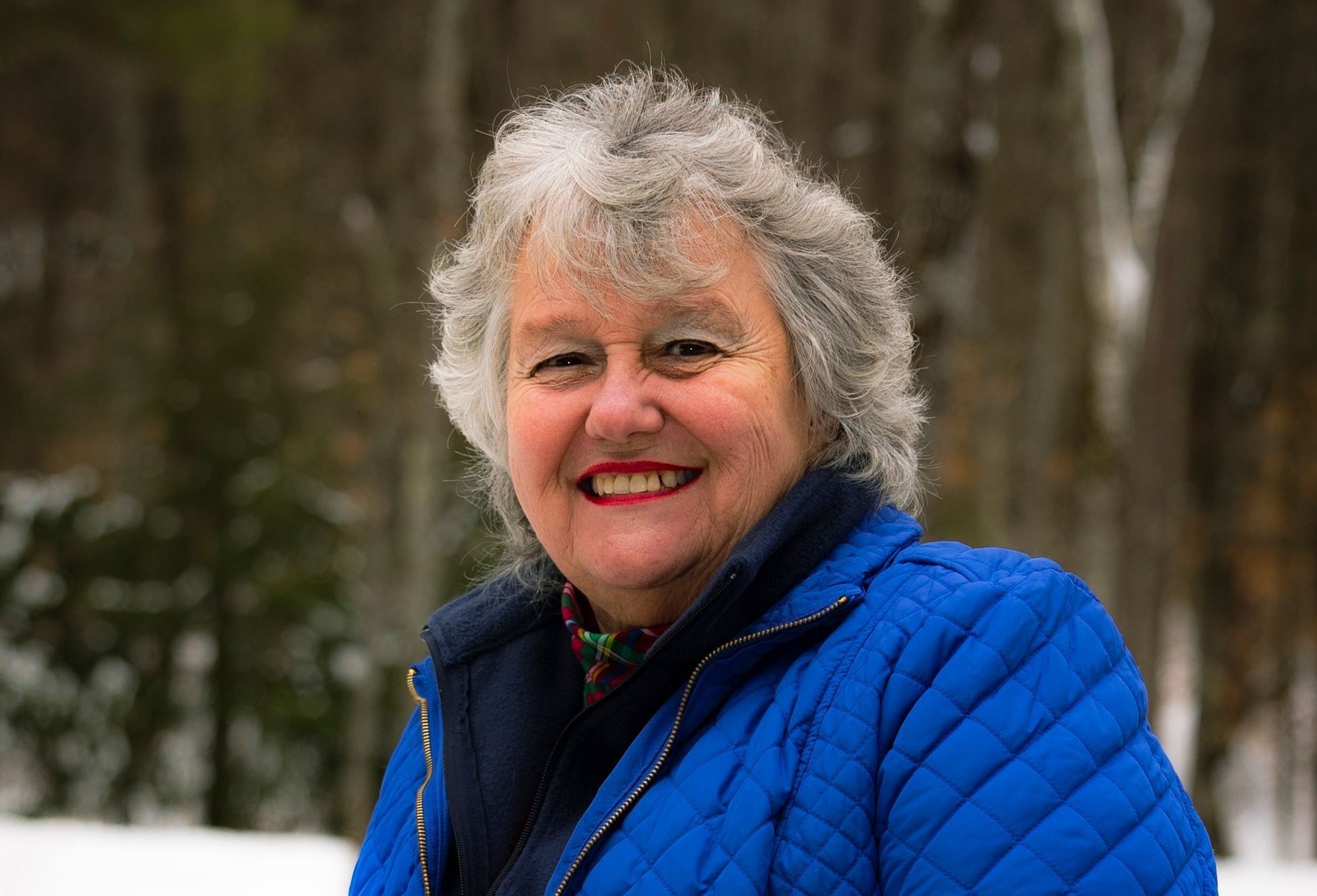
The bittersweet and unpredictable chain of events that made Donna Rae Menard a believer in the clinical trial process.
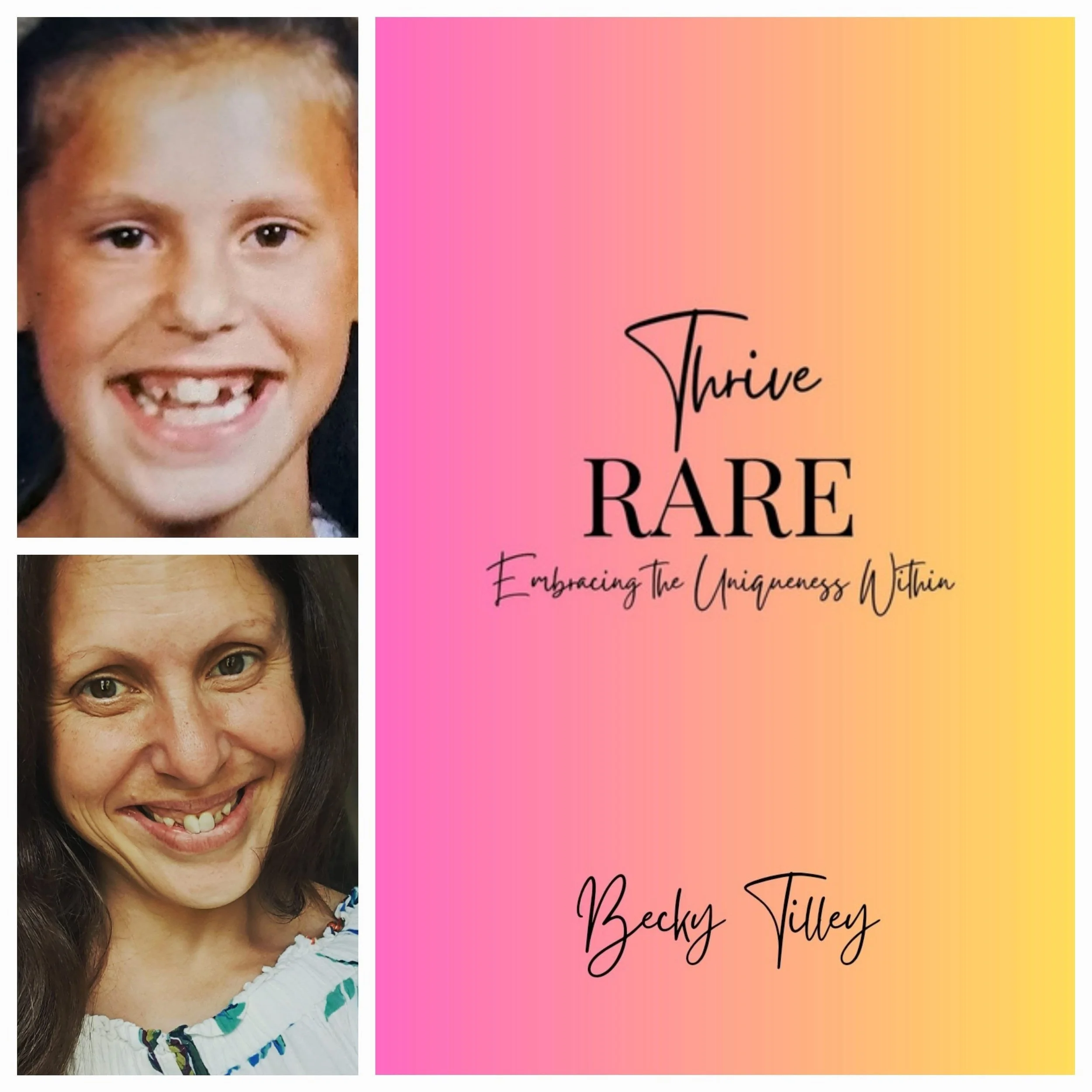
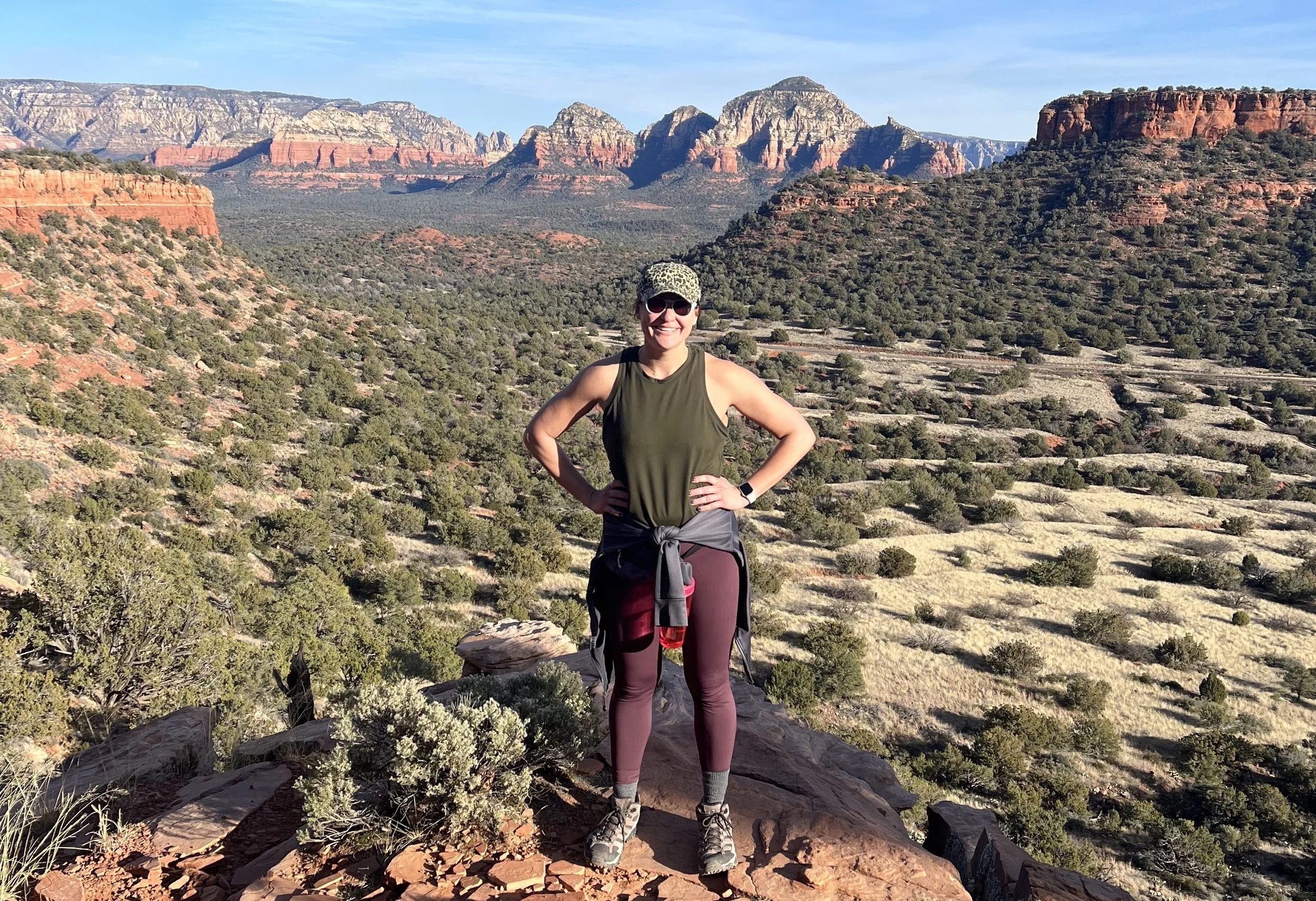
As a child, Becky Tilley often felt like she didn’t fit in or wasn’t as successful as other kids in most academic areas… except for one subject: English. Her love for reading and writing returned in her adulthood, when she started blogging about living with a rare disease called Koolen-de Vries. Learn about her newest book, Thrive Rare: Embracing the Uniqueness Within, born of her desire to spread hope.
I was twenty-six years old, a filmmaker, leading a totally normal and healthy life, until I was diagnosed with myasthenia gravis. My name is Krystel El Koussa, and this is my story.
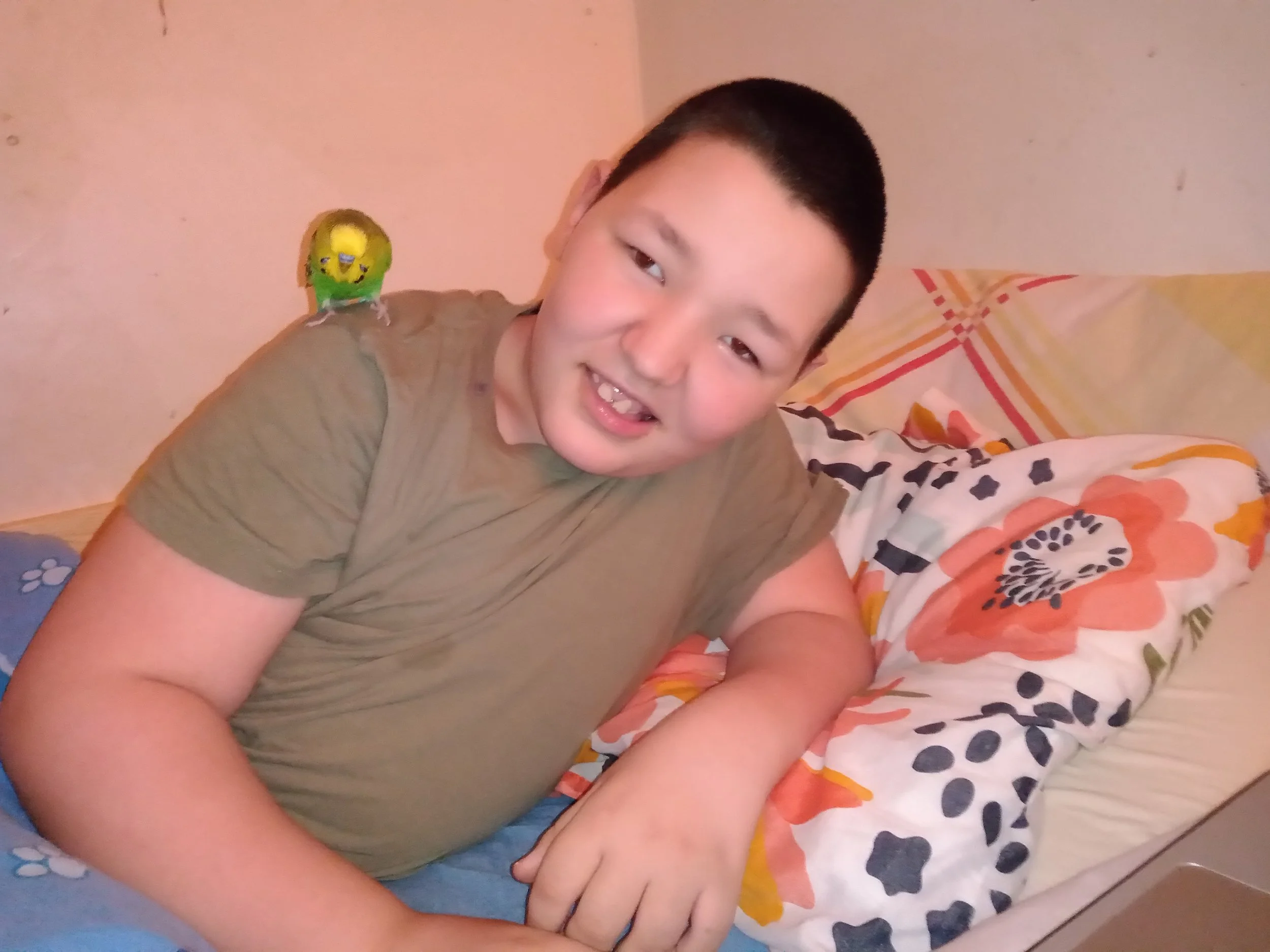
Alice, a rare mother from the Czech Republic, shares her story with the rare community. She talks about the diagnosis process, the hopes, and the challenges of taking care of her son Alexík, who lives with three rare diseases.
Cate shares her experience of living with myasthenia gravis, and reveals how practicing mindfulness and gratitude have greatly improved both her mental health and daily life.
Caring for someone with a rare disease can tremendously impact our daily life and well-being. Annie Harper shares her mental health journey and the importance of finding the right support.
My name is Lindsay Alpert and I am thirty-one years old. This is my journey and path to my diagnosis of a rare chronic autoimmune neuromuscular disorder, Myasthenia Gravis.
Laura shares her story of living with MS and ITP, a rare disease that affects the number of platelets in the blood. Learn more about her perspective on life, her day-to-day activities, and her experience in joining a clinical study.
Joan shares her experience of living with ITP, a rare disease that affects the number of platelets in the blood. Learn more about her worries and the useful advice that she offers to the Know Rare community.
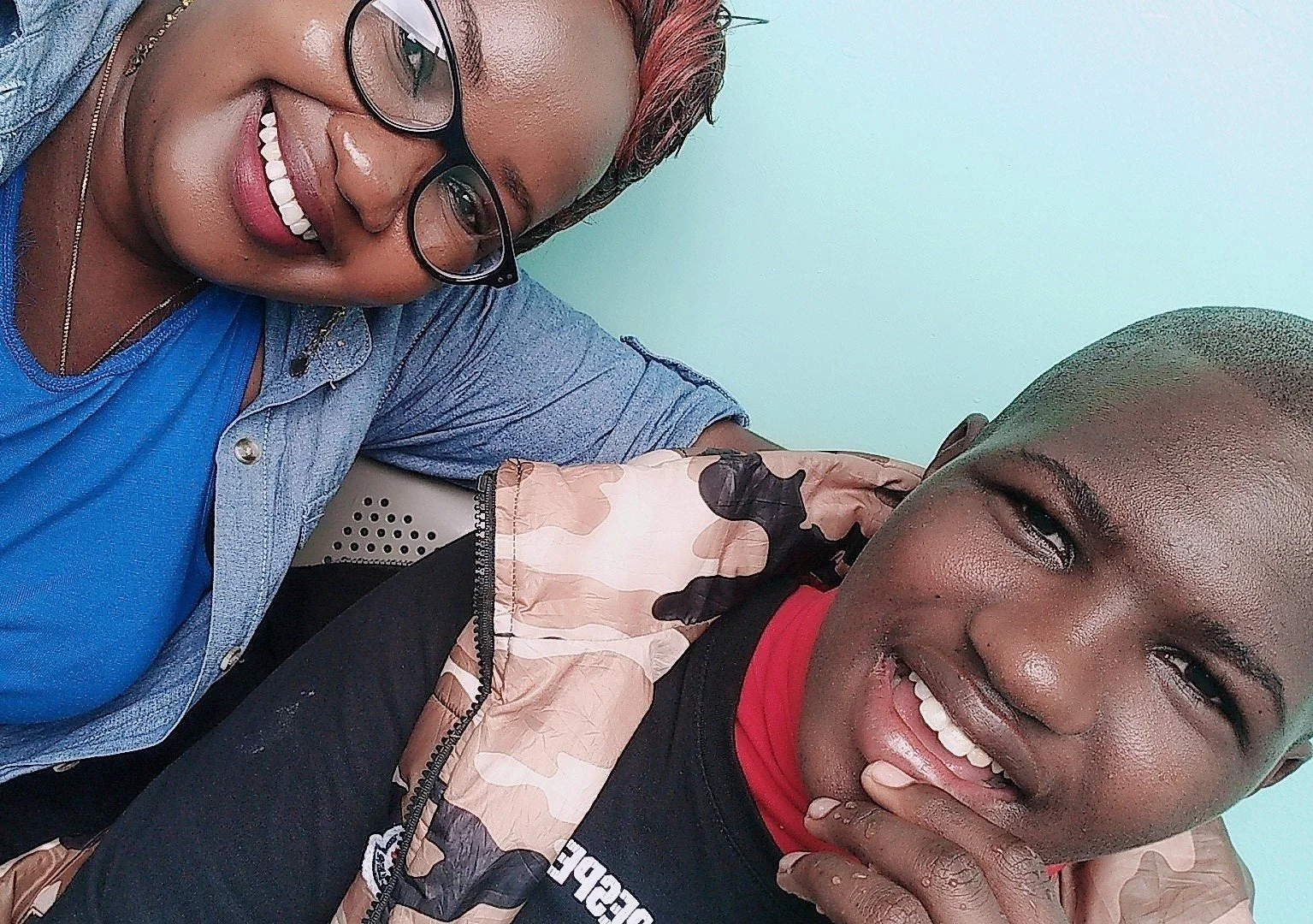
I can clearly remember the day we finally received his diagnosis. It was 2019, and my son was 14 years old. We had already been treating seizures and developmental delay for years. However, I was not prepared for the actual diagnosis.
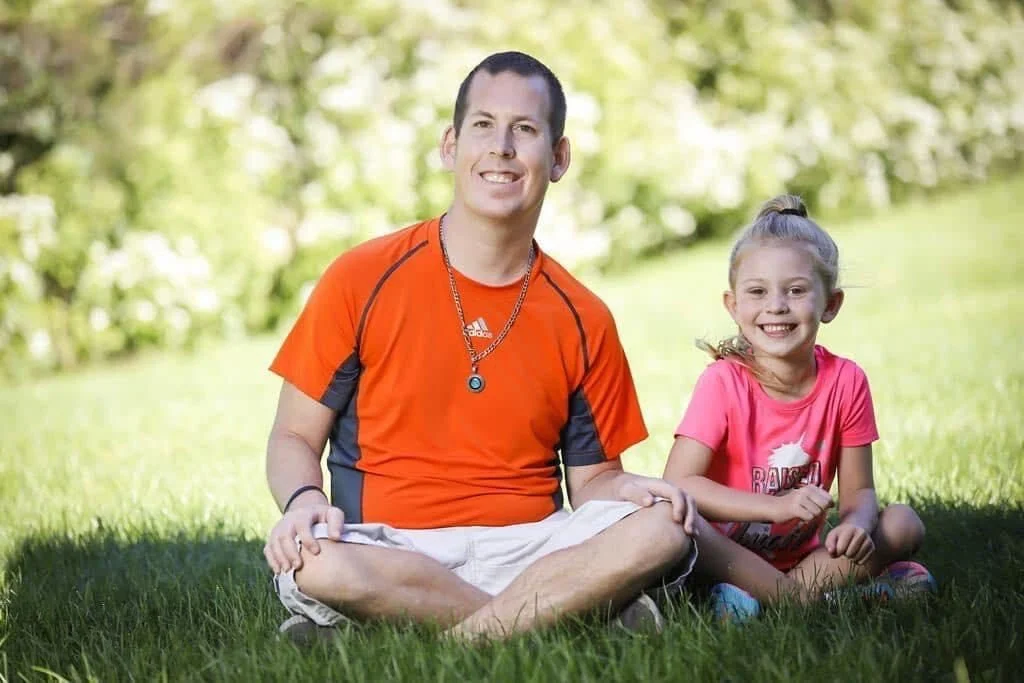
Hello everyone. I am 35 years old and I have Propionic Acidemia (PA). Life with PA is not always easy. I was diagnosed late, which caused me to have a stroke at a very young age. After years of needing a wheelchair and walker, I made a somewhat normal recovery.
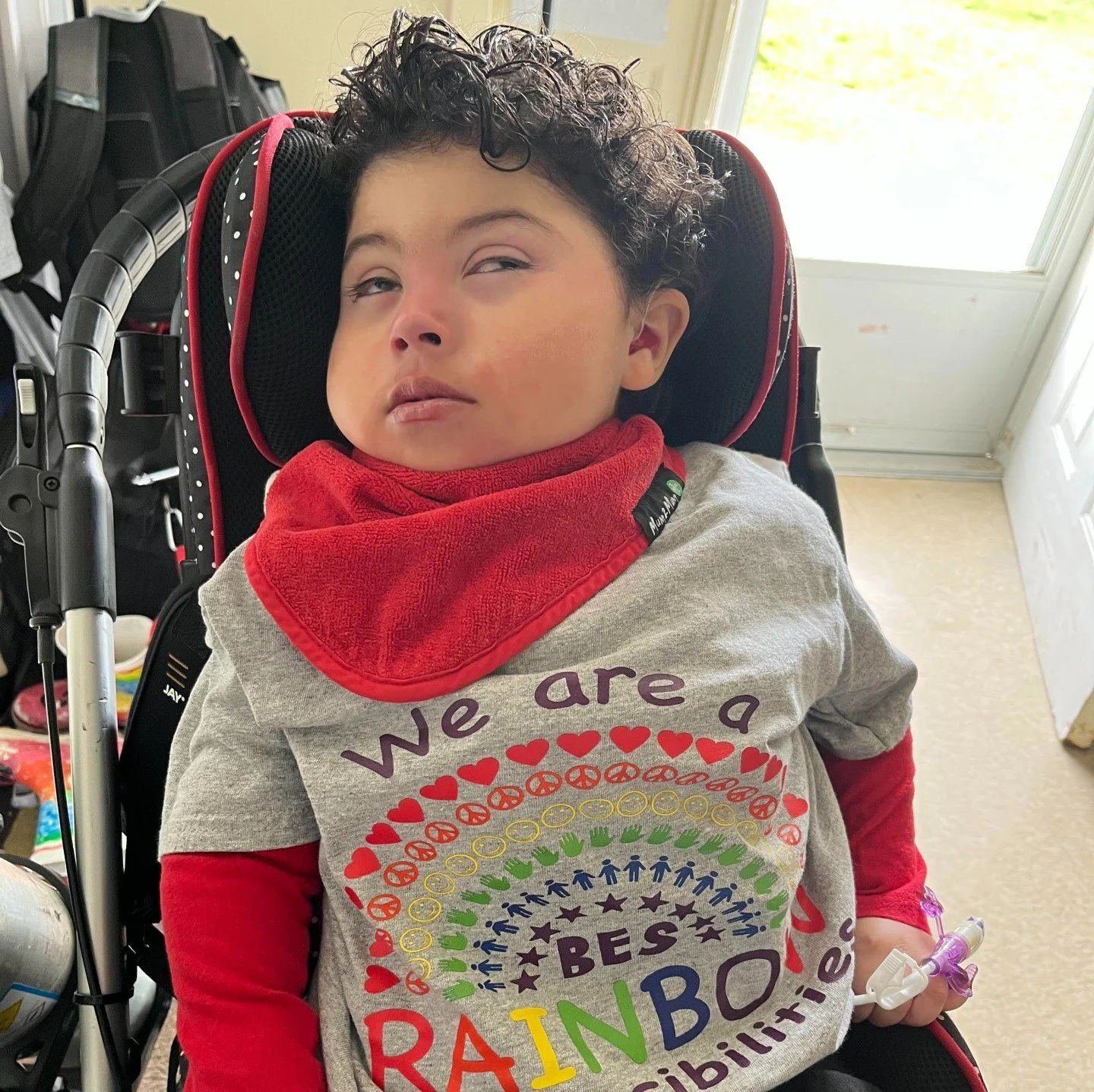
This month Desmond will head to preschool and be held and cared for by his community, as is his right. For any parent who has been through an individual health plan or an individual education plan (IEP), you know it is no simple task. I would love to share what this has been like for me and my son.
Have you ever left a doctor appointment and realized you forgot to mention an important event in your health history? Having a rare disease often means you are seeing more than one doctor, and they all need to know your medical history. That means you have to remember all the symptoms and treatments you’ve had, including when they started and stopped, and how much they have affected your life.
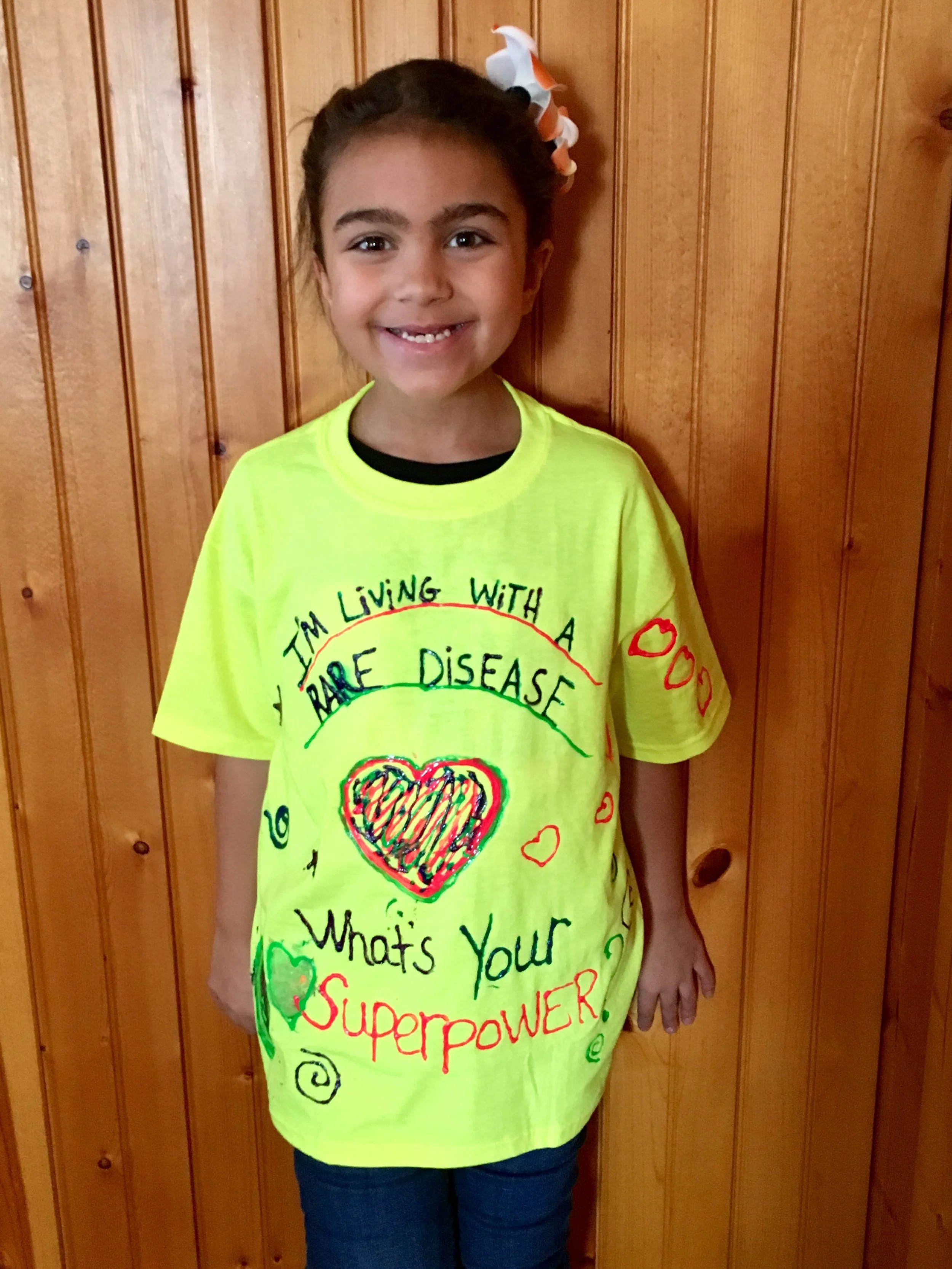
Defying the odds, Amy never thought she’d be able to have children. Her pregnancy was high-risk due to her own medical issues. However, she made it through her first trimester of pregnancy and was ready for an ultrasound at 18 weeks. Amy didn’t expect the doctors at her local hospital to tell her that her daughter would never walk or talk.
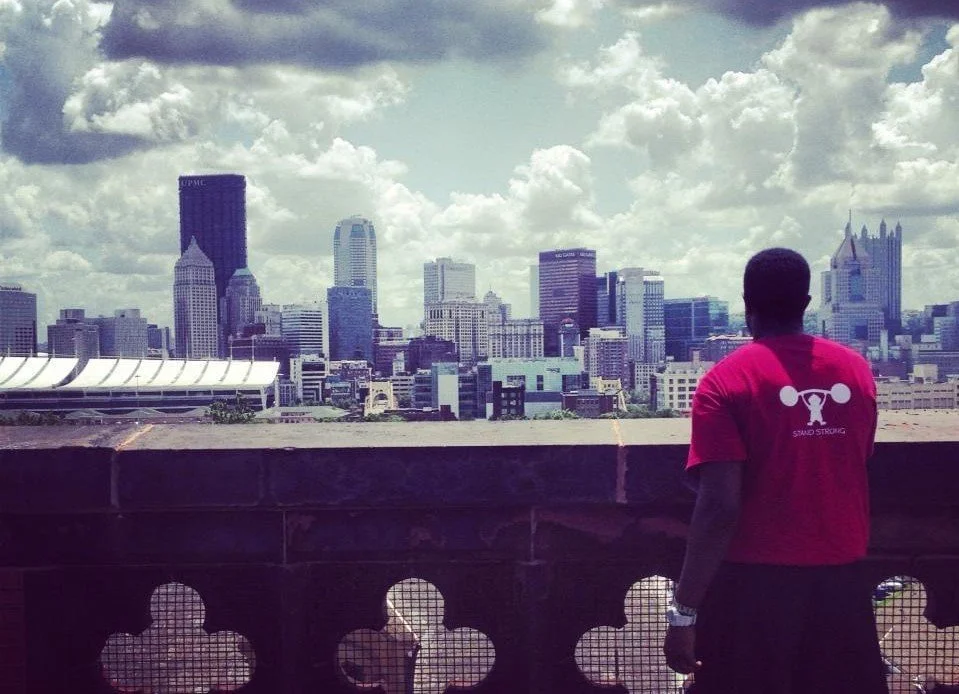
Like many rare diseases, Focal Segmental Glomerulosclerosis (FSGS) is full of surprises, but the main one often occurs at diagnosis. Read how Johnathan, Karen, and Talanda dealt with their unforeseen diagnosis and learned how to live with FSGS.
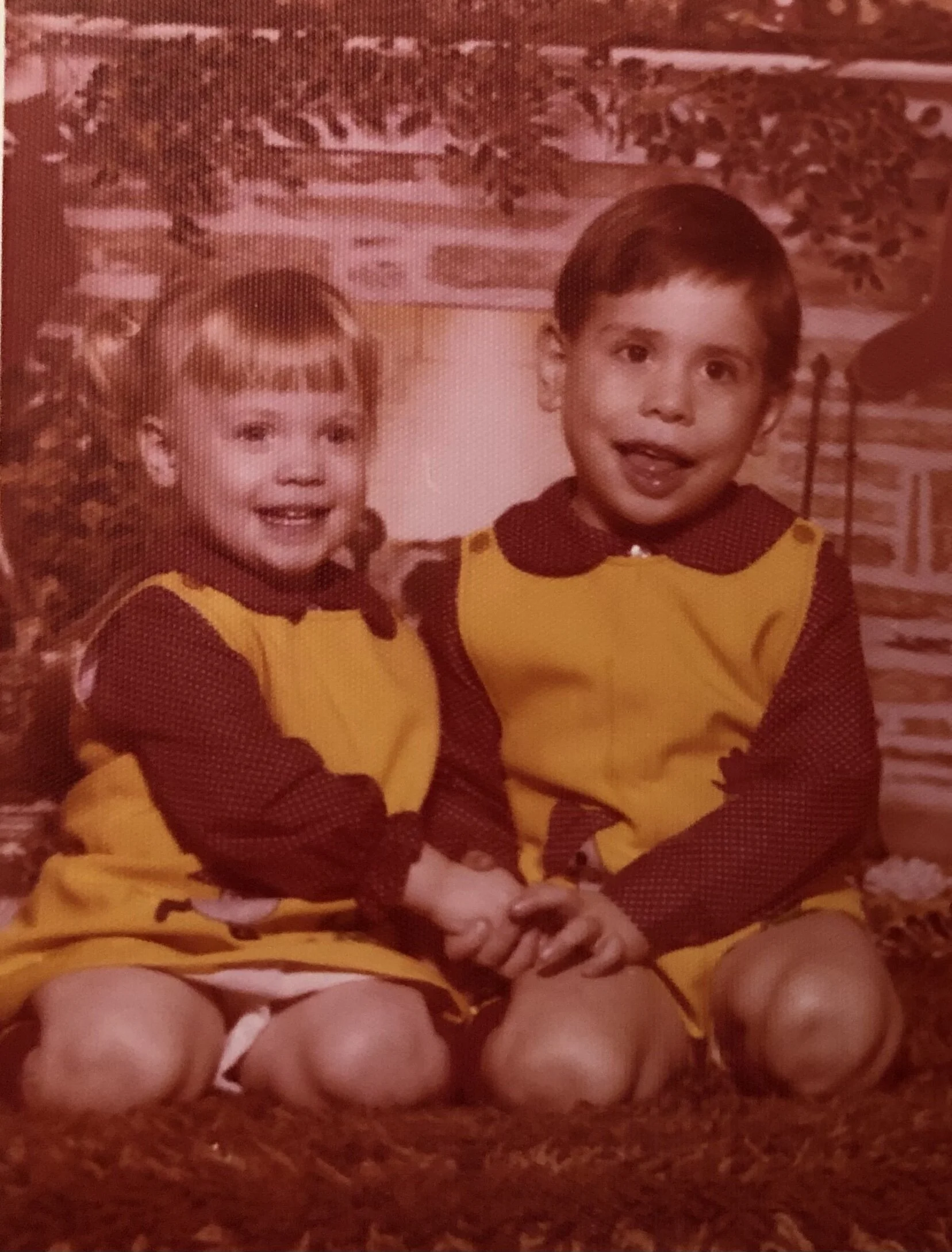
The mental health community defines complicated grief as a severe form of mourning that doesn’t resolve with time. In this article, Gina D. Wagner expresses her experience with complicated grief after the loss of her brother who lived with Prader-Willi syndrome along with what she’s learned along the way.
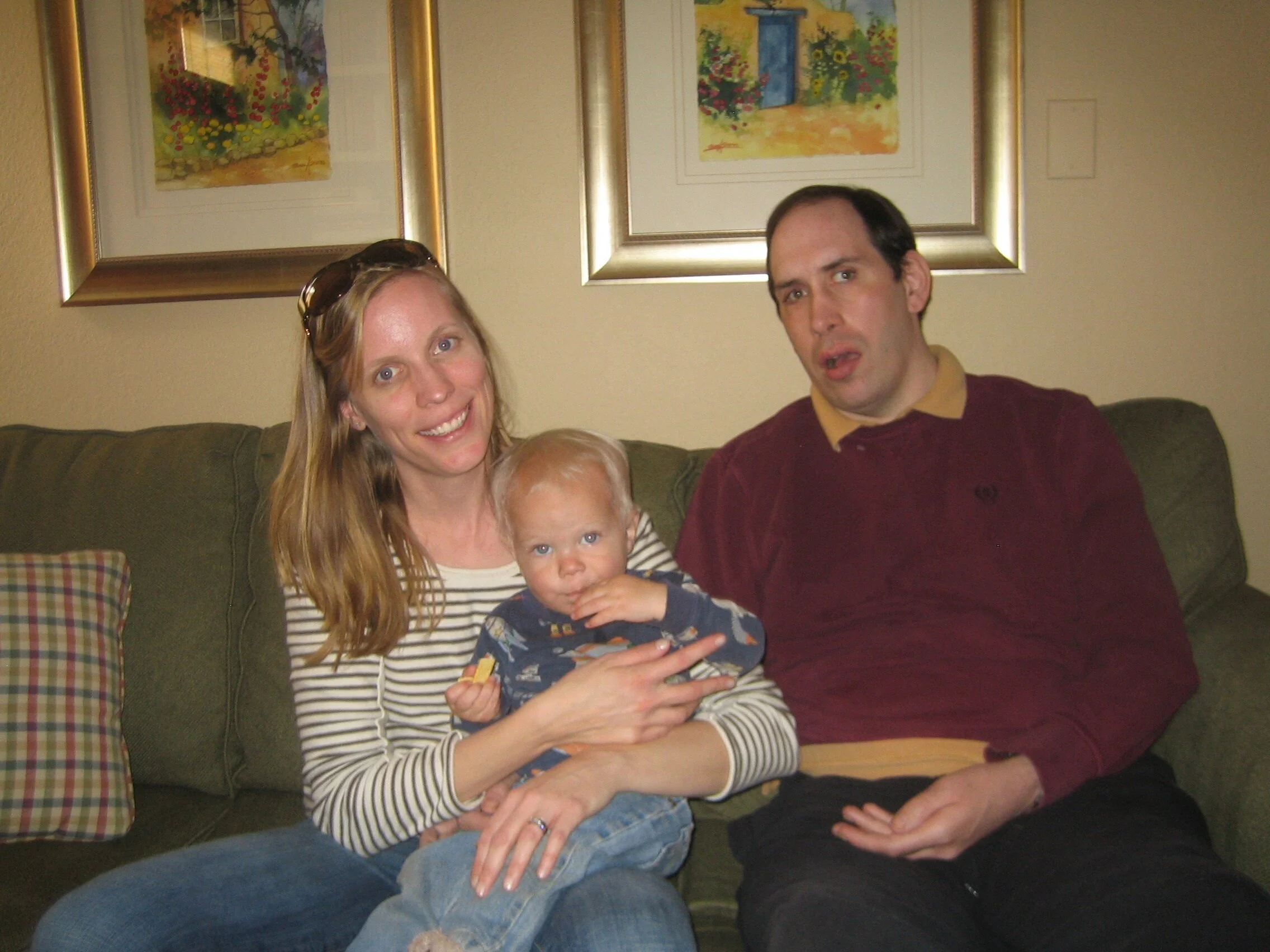
Gina Wagner grew up with a brother with unexplained behaviors and health concerns which were later explained as to be symptoms of Prader-Willi syndrome. In this piece she shares 3 things she wishes she would have known.