Organization Spotlight: The Propionic Acidemia Foundation

PAF Mission Statement
The Propionic Acidemia Foundation is a 501(c)3 non-profit organization dedicated to finding improved treatments and a cure for Propionic Acidemia by funding research and providing information and support to families and medical professionals.
PAF Vision
The PA Foundation’s vision is to create a future where Propionic Acidemia can be prevented and any affected individual can be cured and live a productive life.
Importance of Diet and Nutrition for People with PA
The PA Foundation offers nutrition resources and information for individuals with propionic acidemia, including guidelines, toolkits, medical formulas, supplements, and medical foods.
Low Protein Diet
One of the most common treatments for Propionic Acidemia is the restriction of natural protein or whole intact protein in foods and formulas. The specifics of the diet are followed by a dietitian or medical provider and are monitored with growth, development, and labs.
Formula Supplementation
Frequently, not enough protein is taken in through the diet because of protein restriction for growth and development, so formulas are used to increase the amount of protein in the diet. This is done through formulas that do not have or have very little valine, isoleucine, threonine, and methionine. The amount in the diet changes with growth, development, labs, and other factors.
There are a number of formulas that are available to drink or go through a feeding tube. In the United States, the formulas can often be obtained from a durable equipment supply company, state programs, and sometimes pharmacies.
Some of the formulas available are:
For more nutrition information, click here
Contact Information
THE PA FOUNDATION
PO Box 151
Deerfield, IL 60015-4421
Phone number: 1-877-720-2192
Email: paf@pafoundation.com
Latest From Know Rare
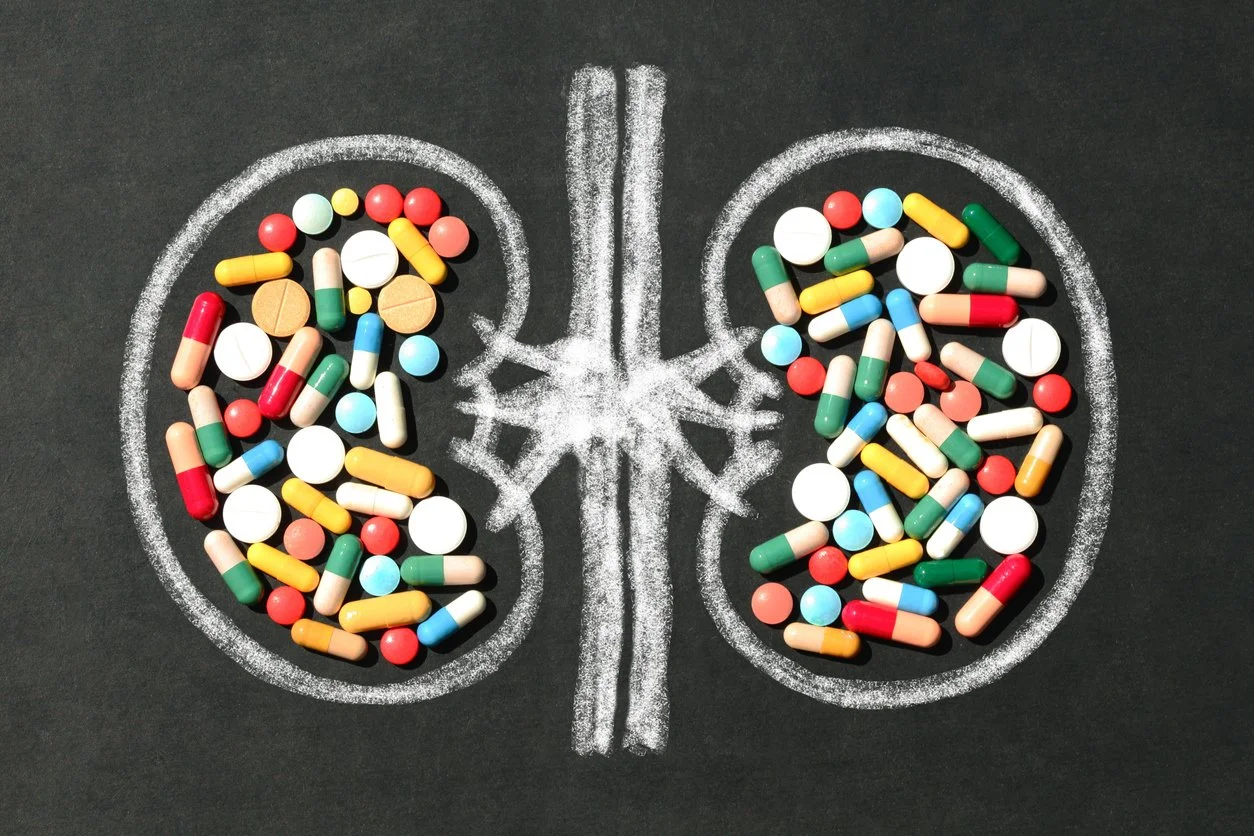
Discover the latest treatments for IgA Nephropathy (IgAN), a rare kidney disease. Learn how current medications and emerging therapies work to slow progression, reduce proteinuria, and protect kidney function.

Discover how patient education empowers individuals with rare diseases to better understand their diagnosis, make informed decisions, and actively participate in their treatment plans. Learn why clear, compassionate communication is key to improving outcomes in rare disease care.
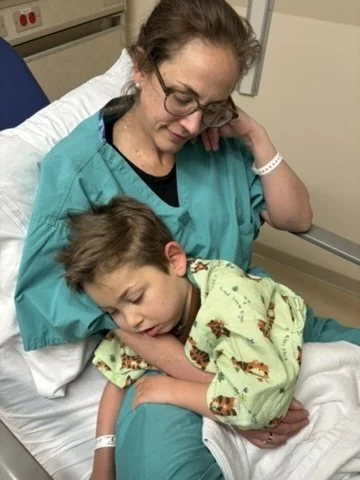
A heartfelt mother’s account on five years of navigating pediatric specialist waiting rooms with her medically complex child.

A powerful personal journey through Koolen-de Vries syndrome, ADHD, and neurodivergent parenting. Discover how one mother turned diagnosis into empowerment, embracing difference, healing guilt, and raising resilient, remarkable children in a world that doesn’t always understand.
Toni Roberts lives with Epidermolysis Bullosa, a rare genetic disorder that causes the skin to be extremely fragile and prone to blistering and tearing. Toni’s condition profoundly impacted her older sister, Cady Ward. Witnessing Toni’s daily struggles and challenges, Cady was inspired to become an advocate for rare disease and take on an extraordinary challenge—run an ultra-marathon.

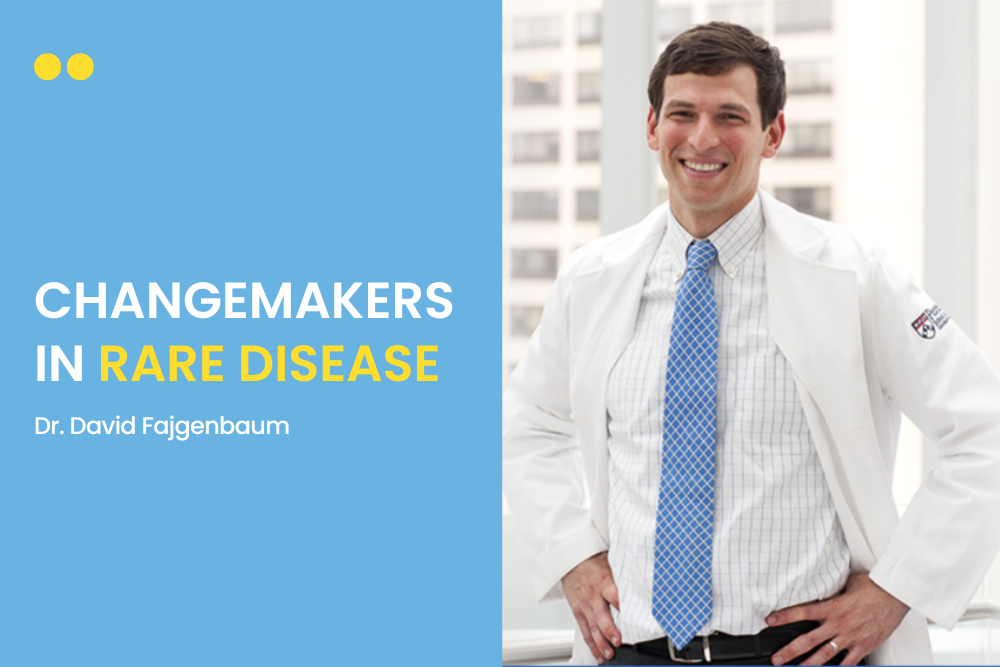
Dr. David Fajgenbaum was in his third year of medical school when a rare and mysterious illness derailed his plans. Crushing fatigue, abdominal pain, and multiple swollen lymph nodes progressed rapidly, and he found himself in the ICU with multiple system organ failure. Recovering from the brink of death, he was diagnosed with Castleman disease (CD), a rare condition that at the time was thought to be a lymph node disease with similarities to cancer.
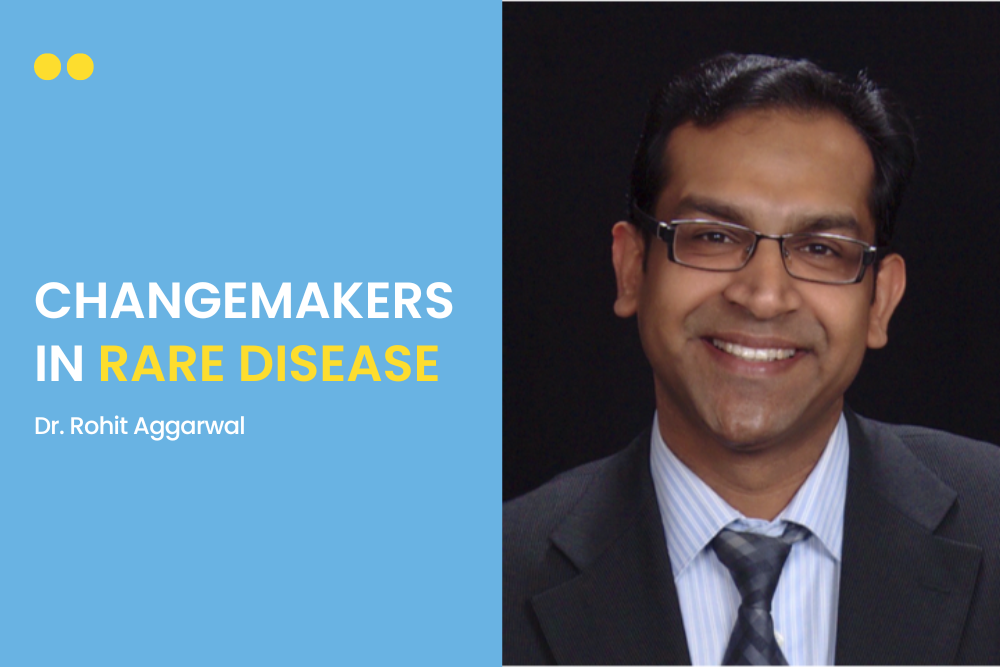
Learn about Dr. Rohit Aggarwal’s efforts in creating more centers of excellence for myositis, as well as educating, empowering, and connecting patients to clinical trials.

Recognizing the need for an effective way to treat becker muscular dystrophy, researchers have been studying the cause of muscle loss, and ways to stop it from happening.

After his diagnosis of limb-girdle muscular dystrophy type 2B at age 21, Chris initially opted for a safe career path, choosing jobs with steady income, benefits, and predictability. However, this decision made him feel like something was missing. Find out how Chris was finally able to follow his heart, finding purpose and contentment in becoming a writer.
Learn more about CureGRIN, founded in 2018 by parents of children diagnosed with GRIN Disorder to help find cures and therapies for people around the world suffering from these conditions.
Learn about the incredible story of Edward Gent, a Sports Nutritionist diagnosed with MMN, who decided to create an app to help others worldwide with their disease and symptom management.

Find out about 7 research areas identified as priorities in Sickle Cell Research and about a sickle cell disease drug, which was originally approved for treatment, that has been taken off the market.

It’s no secret that it is difficult to get to a pain medicine specialist. There are just so many people in pain who cannot find relief, and are looking for help. Learn about Bliss Health, which provides access to pain management services through virtual consultations, through a dedicated team of medical professionals who specialize in the diagnosis, treatment, and ongoing management of various types of chronic and acute pain conditions.

There are over 50 million people in the United States that live with chronic pain. However, researchers studying pain have learned something important: perception of pain is personal, and may have more to do with other factors than just the physical cause of the pain.

If you are coming across high copays and struggling to afford your treatment plan, here are a few options that may help you reduce the costs of your medications.
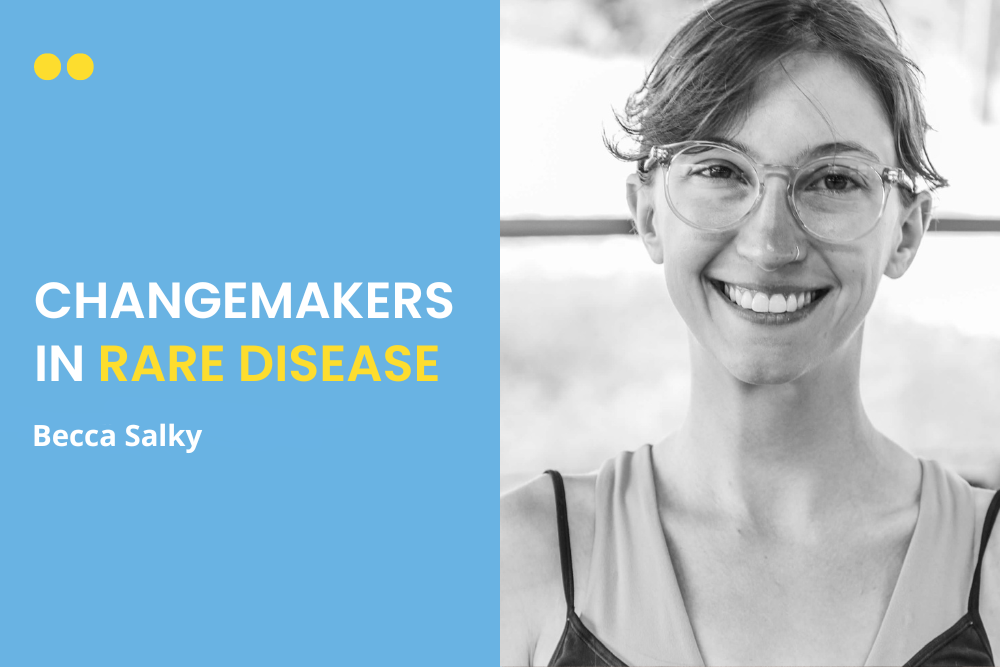
At age 15, Becca Salky became her own medical detective, playing a key role in uncovering her diagnosis. Now, as a Clinical Research Coordinator at Massachusetts General Hospital, she focuses on spreading awareness about MOG, finding better diagnostic tools, leading clinical trials, and fighting gender disparity.
On the “Rare Insights” podcast we bridge the gap between those living with rare diseases and the biopharmaceutical industry.

Why Men’s Health Week (June 10-16) matters for the Rare Community, and how you can take part.
June is Pride Month, and at Know Rare, we are committed to celebrating the rich diversity within the rare disease community.
Journalist Lindsay Guentzel describes navigating a diagnostic odyssey and how she manages day-to-day life with myositis in an impactful webinar.

When you live with a rare disease, the joyful experiences risks can bring are all the more valuable.
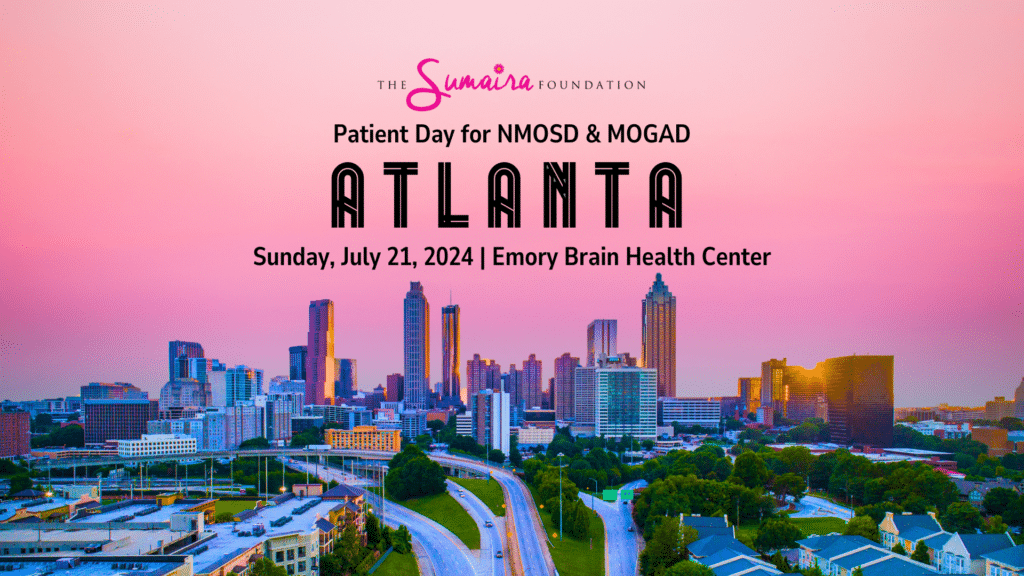
This summer, NMOSD and MOGAD patients, caregivers, clinicians, nurses, researchers, and advocates are invited to join The Sumaira Foundation at Emory for TSF's Atlanta Patient Day.


Know Rare writer Gina DeMillo Wagner’s new memoir, Forces of Nature explores powerful themes related to caregiving and rare disease.
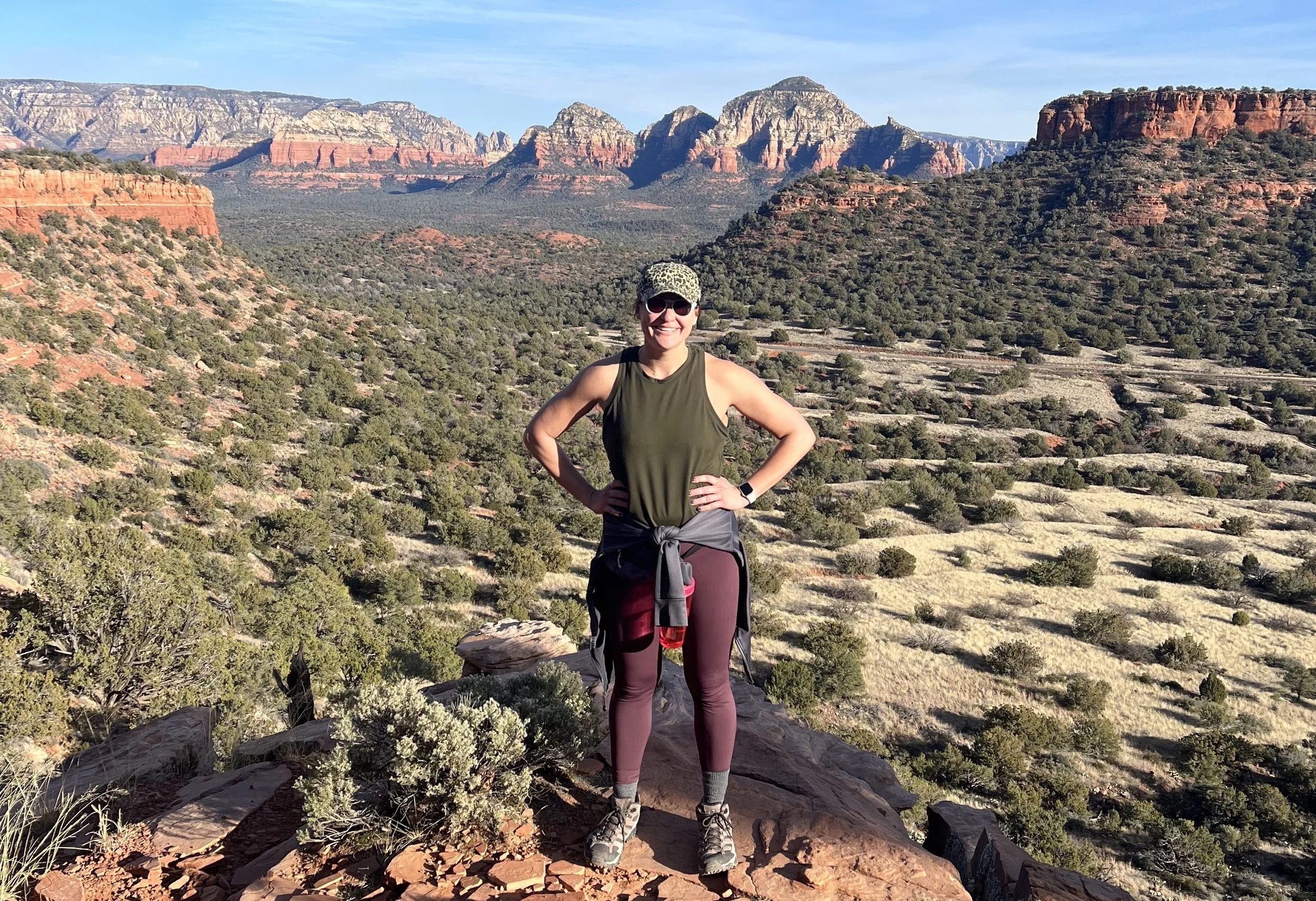
Journalist Lindsay Guentzel offers an inside look at life with the rare muscular condition.
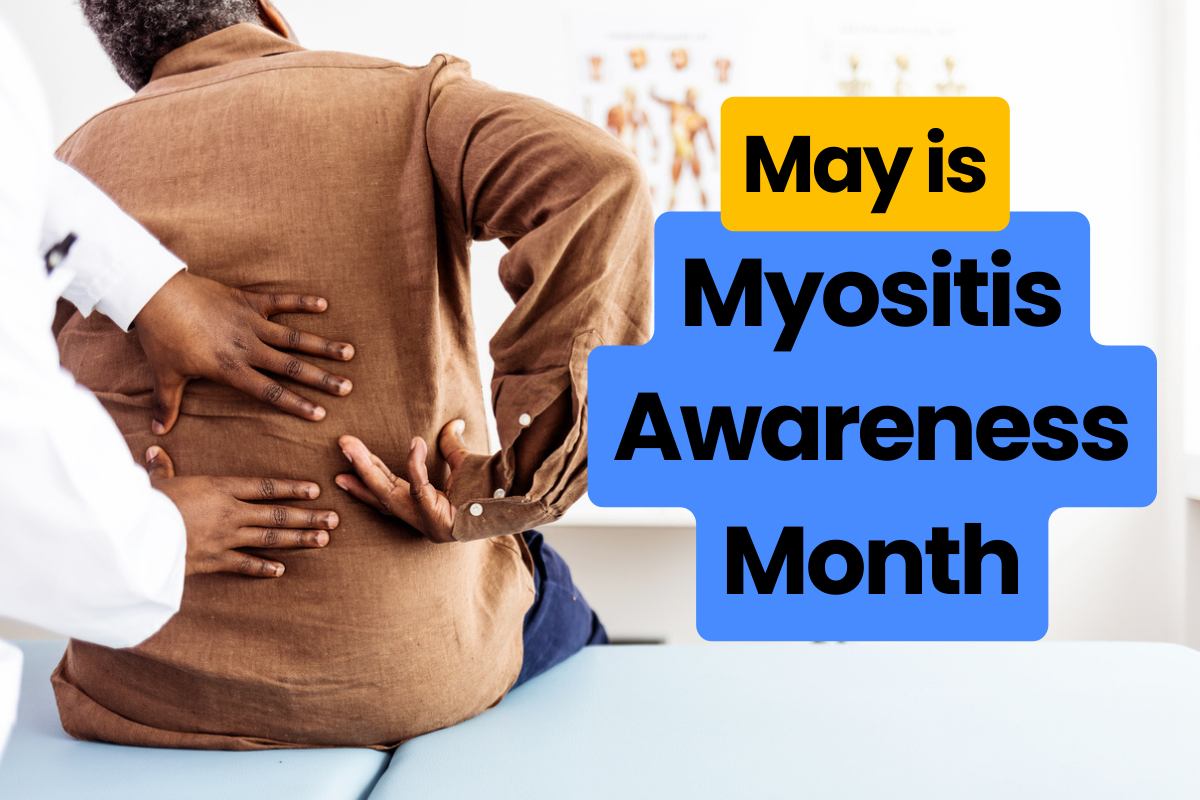
This May, Know Rare is shining a light on myositis, a group of rare autoimmune muscle diseases that can have profound effects on daily life. This is an important time for the myositis community and the rare disease community at large: a time to share stories from those living with the condition, share more information about the current state and future of the disease, and advocate for better treatments that will ultimately enhance the quality of life for those impacted by it. Whether you're a patient, caregiver, or advocate, join us in raising awareness and supporting those affected by myositis.

Author Chris Anselmo explains why being mindful of your pace can have major benefits for your health and well-being, and offers some tips to help.
