News
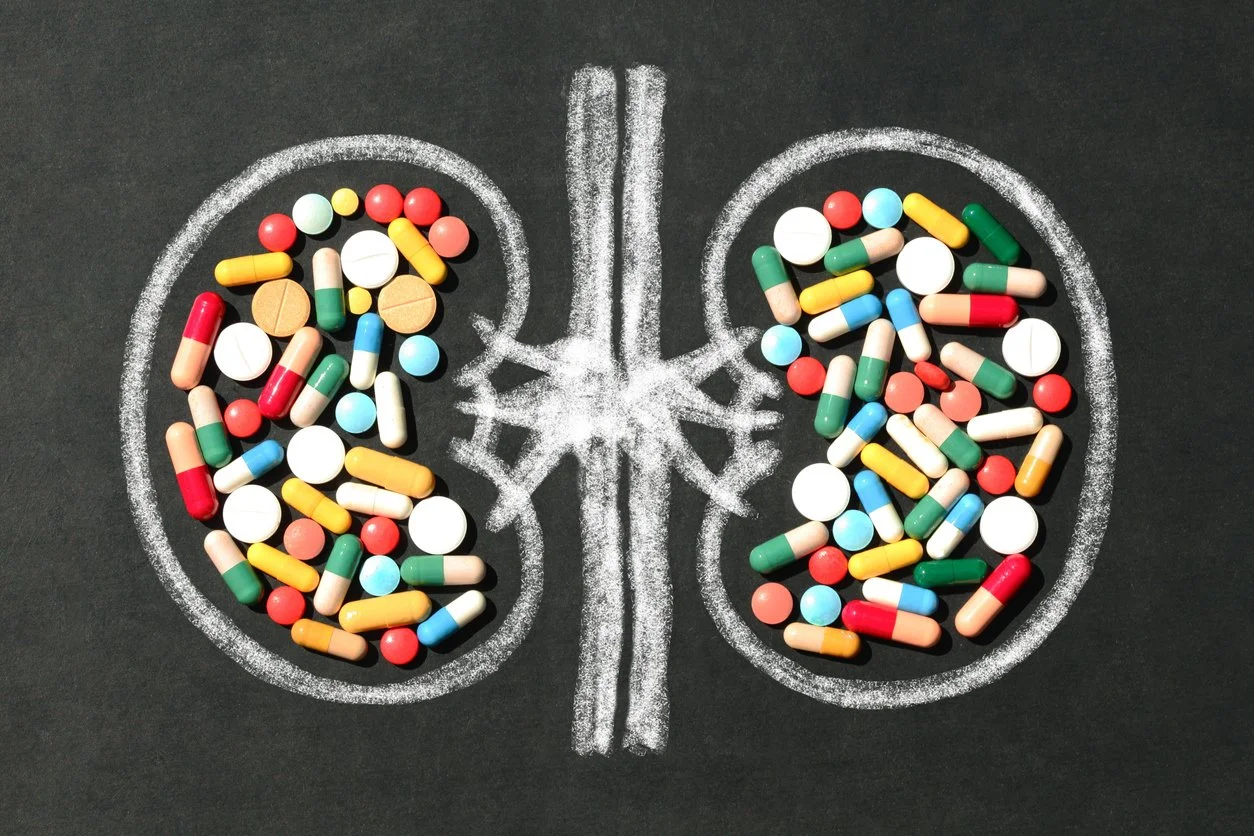
Discover the latest treatments for IgA Nephropathy (IgAN), a rare kidney disease. Learn how current medications and emerging therapies work to slow progression, reduce proteinuria, and protect kidney function.


Recognizing the need for an effective way to treat becker muscular dystrophy, researchers have been studying the cause of muscle loss, and ways to stop it from happening.

Find out about 7 research areas identified as priorities in Sickle Cell Research and about a sickle cell disease drug, which was originally approved for treatment, that has been taken off the market.

There are over 50 million people in the United States that live with chronic pain. However, researchers studying pain have learned something important: perception of pain is personal, and may have more to do with other factors than just the physical cause of the pain.

Why Men’s Health Week (June 10-16) matters for the Rare Community, and how you can take part.
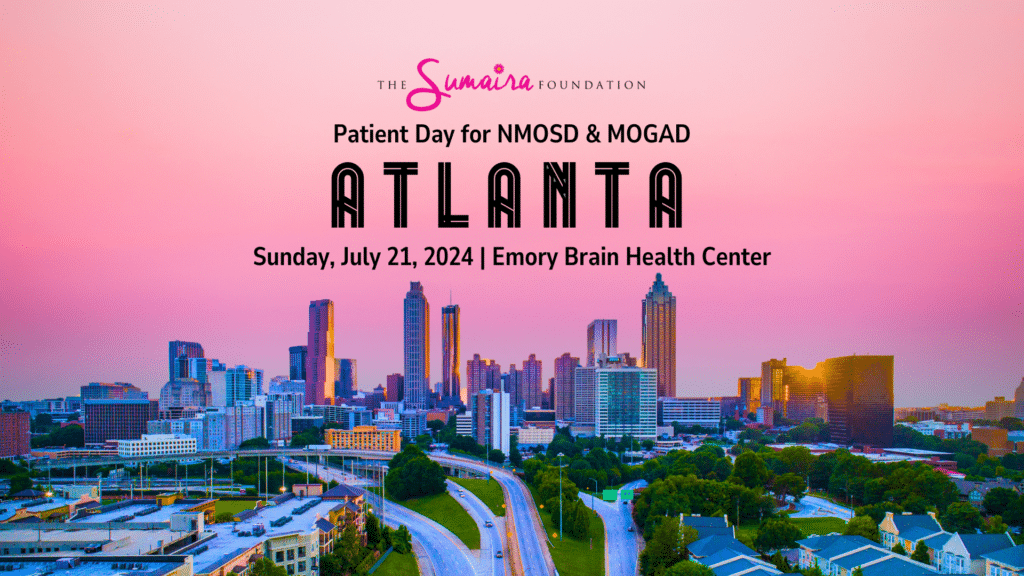
This summer, NMOSD and MOGAD patients, caregivers, clinicians, nurses, researchers, and advocates are invited to join The Sumaira Foundation at Emory for TSF's Atlanta Patient Day.
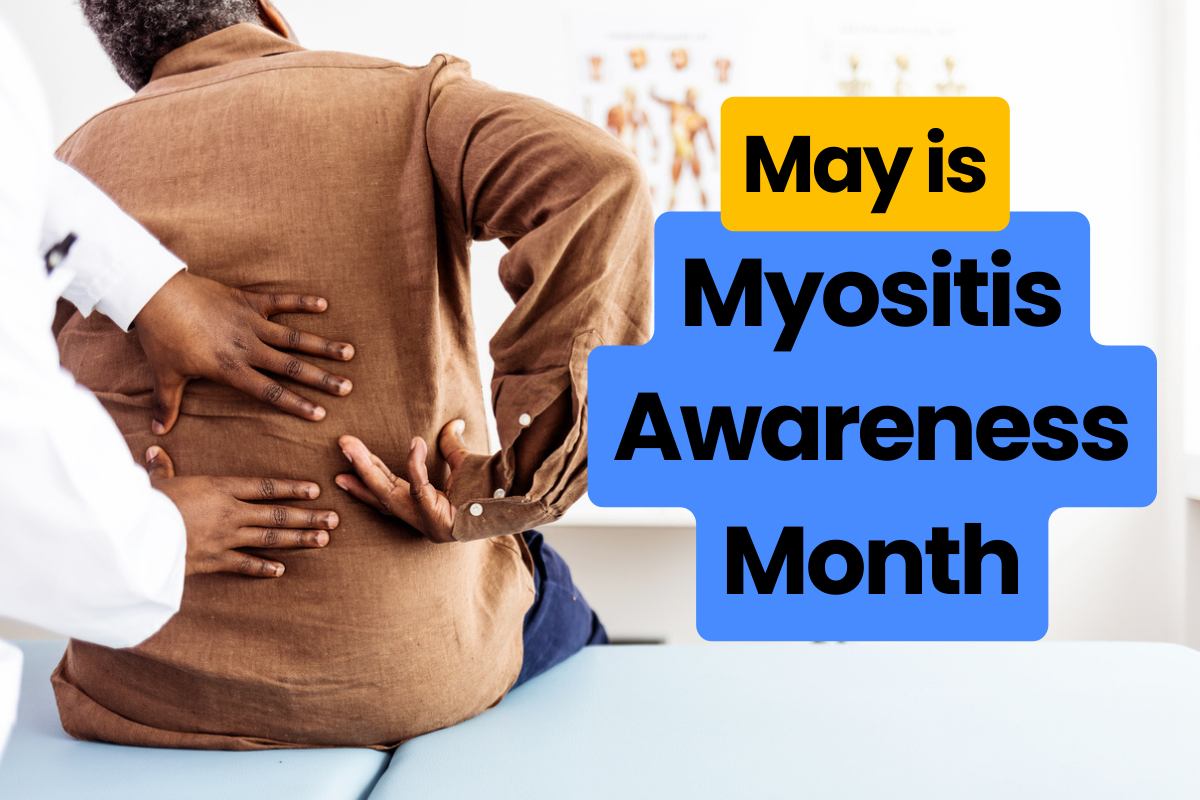
This May, Know Rare is shining a light on myositis, a group of rare autoimmune muscle diseases that can have profound effects on daily life. This is an important time for the myositis community and the rare disease community at large: a time to share stories from those living with the condition, share more information about the current state and future of the disease, and advocate for better treatments that will ultimately enhance the quality of life for those impacted by it. Whether you're a patient, caregiver, or advocate, join us in raising awareness and supporting those affected by myositis.

Recent headlines in research and advocacy show promising news for the treatment of rare diseases.

The National Tay-Sachs & Allied Diseases Association (NTSAD), leader in the worldwide fight to treat and cure Tay-Sachs, Canavan, GM1 and Sandhoff diseases, is hosting the first-ever, ExternallyLed Patient-Focused Drug Development Meeting for GM2 gangliosidoses (Tay-Sachs and Sandhoff diseases) on Thursday, February 15, 2024.

Edgewise’s investigational drug is a pioneering treatment for Duchenne and Becker muscular dystrophies.
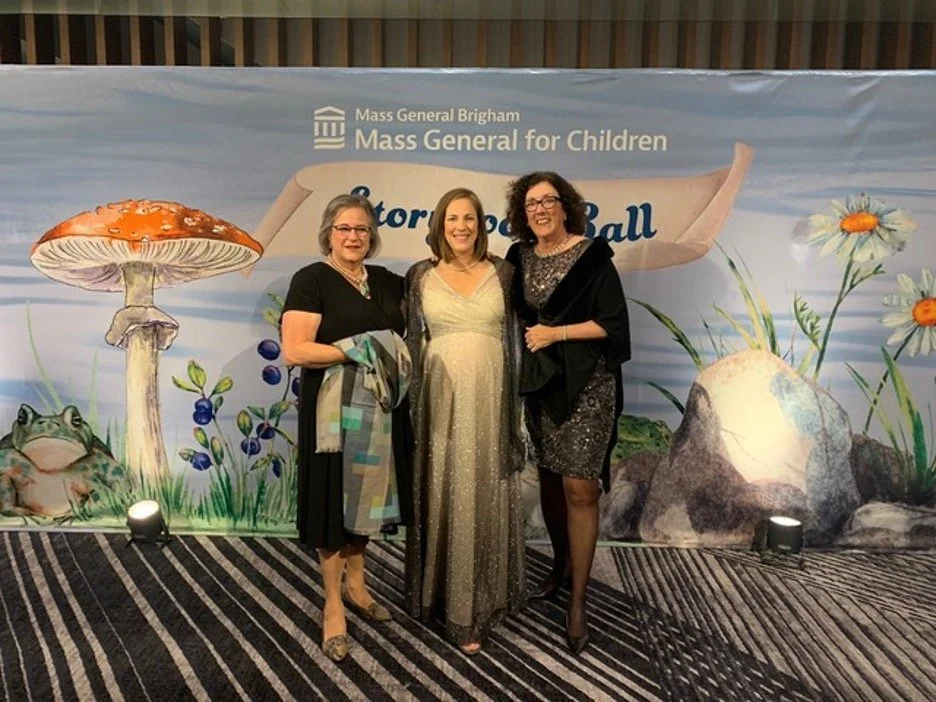
Know Rare's Medical Advisor, led the Mass General for Children’s Storybook Ball, raising $1.9 million for innovative healthcare and research, while sharing her own personal rare disease journey, and highlighting Know Rare's mission to connect and empower individuals living with rare conditions.
A new treatment for myasthenia gravis, a rare neuromuscular condition, has been approved by the FDA thanks in part to the success of a clinical trial that Know Rare helped to recruit patients for.

In a 2021 report, authors Ahmad Saud, R Naveen, Rohit Aggarwal & Latika Gupta, all well-known experts in myositis, discuss recent findings about the relationship between COVID-19 and myositis.

Discover how forward-thinking researchers are designing clinical trials to accommodate people’s lives and needs, helping with clinical study participation and the development of much-needed treatments.

A recent study, involving children of ages 12 and older with PA or MMA, found an interesting approach in assessing individuals’ abilities to understand, think, and reason.

At times, managing a rare condition can feel like an isolating reality. We’ve rounded up notable names who break with that status quo, bringing rare conditions—and the stories behind them—into the spotlight.
This episode of the DNA Today podcast discusses how propionic and methylmalonic acidemia affect the body, the goal of HemoShear’s investigation therapy (HST5040) that is currently in development, mindfulness and coping with a diagnosis, and why the FDA tends to fast-track therapies that target orphan/rare diseases.

Patient-reported outcome measures (PROMs) help healthcare providers understand the impact of living with a disease on terms that matter to you.

Learn about a terrible story that occurred in 1989, when a woman named Patricia Stallings was wrongly convicted for the death of her son.

Management of chronic kidney disease is complicated by many things, such as fluid retention, anemia, and effects on multiple organs in the body. In India, where treatments can be too expensive and beyond the reach of the majority of the population, many have relied upon yoga as an alternative therapy.

This episode of the DNA Today podcast discusses the function of the mitochondria, challenges of living with a mitochondrial condition, how primary mitochondrial myopathies (PMM) are unique, how the percentage of affected mitochondria correlates with the severity of symptoms, what Reneo doing to help diagnose more patients with PMM, and Reneo’s STRIDE study for treatment of PMM

Rare advocates, such as Nadia Bodkin, are shining a light on racial and ethnic inequities in healthcare systems. Learn how Rare Advocacy Movement (RAM), co-founded by Bodkin, and the rare disease community are fighting to make care more equitable for all.

A recent New York Times article discusses the inexactness of prenatal testing and how false positives about genetic markers of rare disease can cause anxiety. Read genetic counselor Elizabeth Kearney’s response, where she expertly addresses the inaccuracies and assumptions made in the article.

For people with primary mitochondrial myopathies (PMM), it is reassuring to know new studies are continuing to explore activators of PPAR delta as a possible way to stimulate mitochondrial activity, increase energy production, and improve the performance of skeletal muscle cells.
The RDDC was established at a pivotal time, as the United States continues to grapple with the impact of the COVID-19 pandemic and the glaringly evident racial disparities that exist regarding infection rates, treatment, and access to care.

From trailblazing researchers to game-changing public health advocates, women in medicine historically faced marginalization due to their gender, and, in some cases, their race. Nonetheless, they changed the playbook for the physicians who would follow them, as well as for the patients who would benefit from their discoveries in the future.